A Feast for Mind and Soul

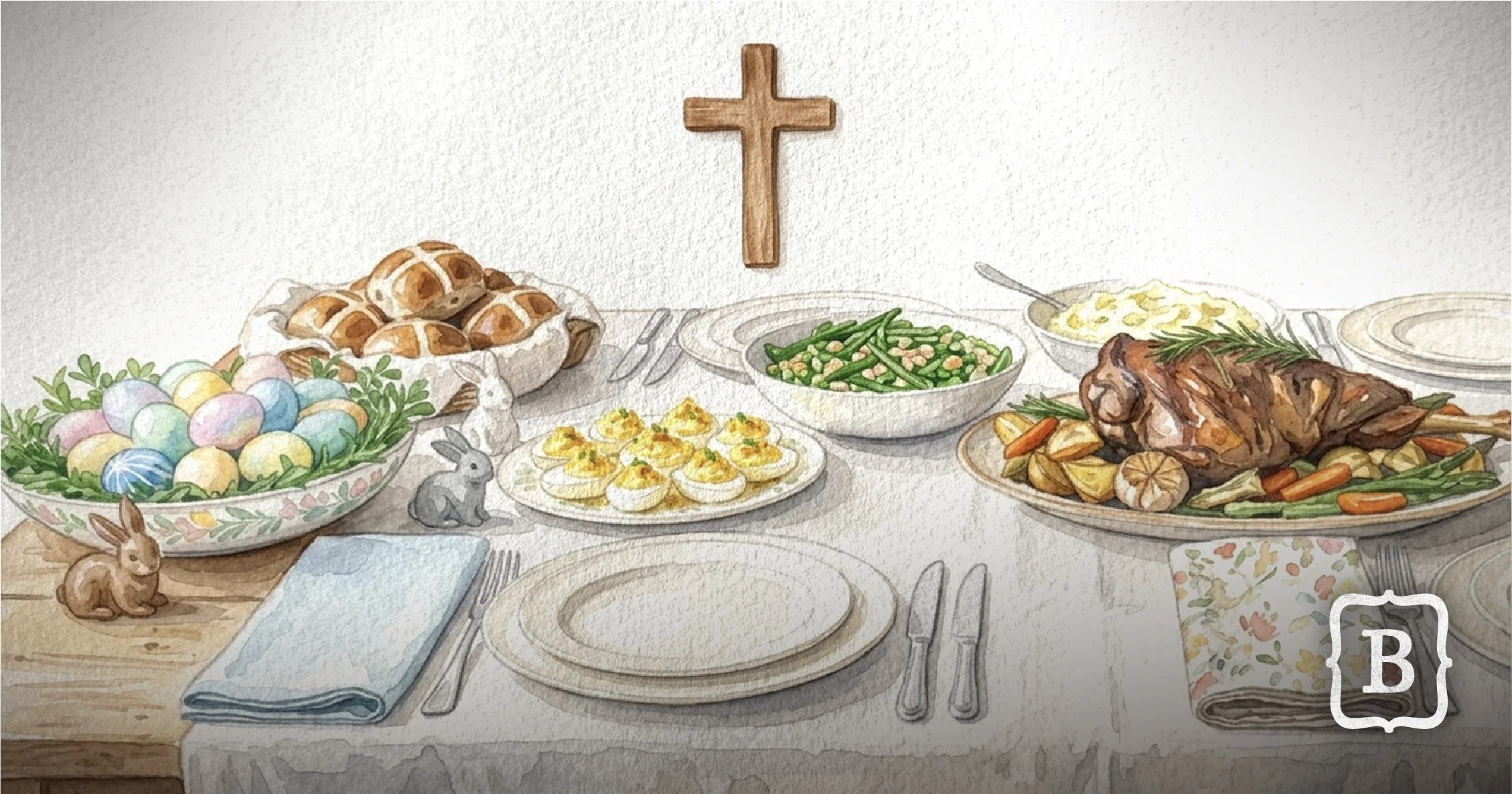
The Thanksgiving table is the one place where Americans truly feast. On the fourth Thursday of each November, generations of family and friends gather to create sumptuous dishes, eat heartily, drink merrily, and enjoy each other’s company with hearts of gratitude. This year’s Thanksgiving comes after our staff had the opportunity to meet with many of our parents. Reflecting on conferences while looking ahead to the Thanksgiving meal has prompted us to reflect on the feast that is education and each of our children’s places “at the table.”
The metaphor of a feast has been used for centuries in the classical tradition to describe a rich education. If you spend enough time with our staff, you may hear about everything from the banquet of ideas and classical texts, the rich food of philosophies, and the joy of conversing and learning together and with the greatest minds from history found in “living books.” During their time at Chapel Field, it is our goal to provide our students with a beautiful feast of knowledge and to “sit” with them to enjoy it together.
As I talk with parents who are curious about Chapel Field and those who already have students enrolled, I often extend this metaphor of a feast to explain our approach to teaching both “gifted” students and also “struggling” students together. I explain that the feast of a rich curriculum is laid before each and every student. I further explain that each child can begin by enjoying a portion of the “meal” as we work together to increase their ability to enjoy the full “feast” in front of them.
Today, I ask you to take a few minutes to reflect on your child’s place at the banquet table of classical education and to consider some other feast-day metaphors.
A prayer of blessing before the meal: Just as we seek the Lord and offer a prayer of thanksgiving before a feast, it is important that we seek the Lord in our children’s education — as Chapel Field’s mission statement says, we “partner to cultivate a joyful community of students who love the truth, pursue wisdom and virtue, and live to the glory of the Lord Jesus Christ.”
Filling up on junk food before coming to the feast: Just as a child full of candy, chips, and cookies will be reluctant to eat meat and vegetables, students who are consistently stimulated with extra-curricular activities, video games, social media, poor television shows and literature, and excessive screen time will struggle to “enjoy” the meal laid before them in the classroom each day.
Sitting with food on a plate in front of you is not the same as eating: It is not enough to sit at the table; one must accept the food, cut it, pick it up, and savor it. Students who sit passively waiting to be “fed” will be unable to enjoy the variety and amount of food available. Students must learn to be active participants in the feast, even when it means asking for help from a teacher or classmate.
Cutting food up into manageable pieces: Is the portion on your child’s plate too large to consume in one bite? Consider helping your student “cut” the portion into smaller pieces. This may be with the help of a tutor, online teaching videos, a study group, nightly review, daily help with organization, or the gift of undistracted time to study and learn.
In conclusion, I encourage you to feast with your family on Thanksgiving and in the act of education. I thank you for your place at the banquet table and pray that you and your children truly learn to enjoy the richness of classical education and all the good, true, and beautiful gifts of the Lord.
Melissa Hoffman serves as Director of Special Education at Chapel Field.