Loving the Old Things: 75 Years of C.S. Lewis's Prince Caspian
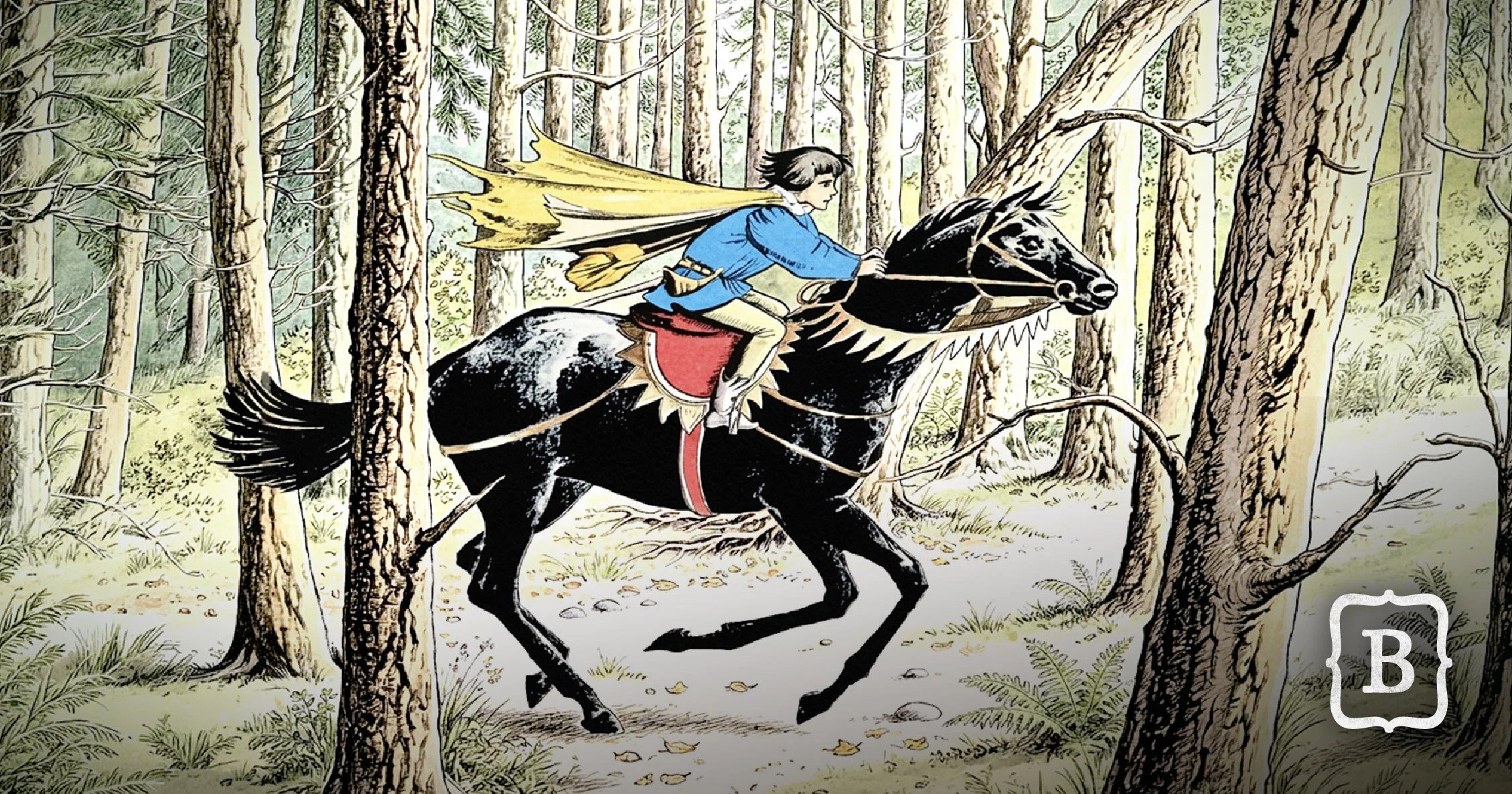
Last year to celebrate the 75th anniversary of the publication of C.S. Lewis’ The Lion, the Witch, and the Wardrobe,Chapel Field’s upper school read the book together in the days before Thanksgiving break. And since this year is the 75th anniversary of the second book published in the series, the school made this a tradition and did it again with Prince Caspian.
When C.S. Lewis decided to write The Chronicles of Narnia, he did so to address the disenchantment of the modern world. He believed that readers needed an imaginative escape, so he ushered them through the wardrobe and into a story that was full of enchantment. But this story was also about enchantment and how the world needed a renewal, a revival, and a resurrection.
The Lion the Witch and the Wardrobe does this through a Narnian setting that is buried in snow and oppressed by a White Witch. Spring is losing to winter. Life is losing to death. Good is losing to evil. But in the end, this is all resolved in a glorious dramatic reversal. It then becomes a story about conversion, forgiveness of sins, and resurrection by the blood of a Savior. Prince Caspian, however, although ultimately still a story about the divine triumph of Good over Evil, is not a story about conversion and resurrection, but a story about Faith, Education, and Evangelism. And so it begins in a much different Narnia. This time, Narnia is not overtaken with snow and winter; it is overtaken with wild growth. The magic is not overwhelmed and frozen by a different evil magic; it is forgotten, ignored, avoided, and replaced with a world that loathes all magic and does not even want to admit that it exists. This time, the Pevensie children are not the prophesied rescue that a desperate Narnia has been waiting for; they are a past that Narnia has lost and must recover. Lewis’ presentation of this “recovery” and its eventual success in Prince Caspian is an inspiring illustration of the aims and desires of Classical Christian Education.
The book's hero, young Caspian, is the one who must lead Narnia to rediscover its past treasures. His people (Telmarines) invaded Narnia long ago, drove all of the magic into hiding, and rewrote the country’s history. But Caspian learns the stories anyway and becomes one who “loves the old things.” When Caspian eventually learns the truth of about these old stories, his teacher gives him a powerful explanation of how a world can come to hate both its past and the God that loves it:
“It is all lies. There are no ghosts there (in the woods). That is a story invented by the Telmarines. Your Kings are in deadly fear of the sea because they can never quite forget that in all stories Aslan comes from over the sea. They don’t want to go near it and they don't want anyone else to go near it. So they have let great woods grow up to cut their people off from the coast. But because they have quarrelled with the trees they are afraid of the woods. And because they are afraid of the woods they imagine that they are full of ghosts. And the Kings and great men, hating both the sea and the wood, partly believe these stories, and partly encourage them. They feel safer if no one in Narnia dares to go down to the coast and look out to sea — toward Aslan’s land and the morning and the eastern end of the world” (Lewis, pg. 56).
For C.S. Lewis, the modern world’s disdain for Great Old Ideas and ignorance of the Christian Tradition is like the Telmarines' fearful choice to quarrel with the “trees.” Much of modernEducation has let the fear of haunted woods — the foolish fear that the only things in our past are“ghosts” — alienate it from the One who “comes over the sea” on the other side of all those trees.
Prince Caspian champions the idea that loving and studying “old things” takes a kind of faith. This is the faith it takes to believe in something unseen and forgotten. This is the faith it takes to believe that a “dead” tree is only sleeping. This is the faith to believe that the Great Lion will come back from over the sea. And the strength to venture into those woods and revive these “old things” takes a great amount of courage. But most importantly, that courage is necessary, because the beautiful “old things” and their life-saving magic all belong to Him, and to love them and fight for them is to enjoy the promise of His return.
Ultimately, the story of Prince Caspian ends in the same way that our story will eventually end — the enemy is defeated, the woods are revived, those who loved them are rewarded, and the Savior of the world returns. At Chapel Field, we are thankful for teachers and students who are brave enough to come to school everyday, walk through a curriculum as rich as enchanted woods, and “look out to sea — toward His land and the morning and the eastern end of the world.” We hope you all had a wonderful Thanksgiving.
Henry Listenberger serves as Academic Dean at Chapel Field and teaches Middle and High School Literature and Rhetoric classes.