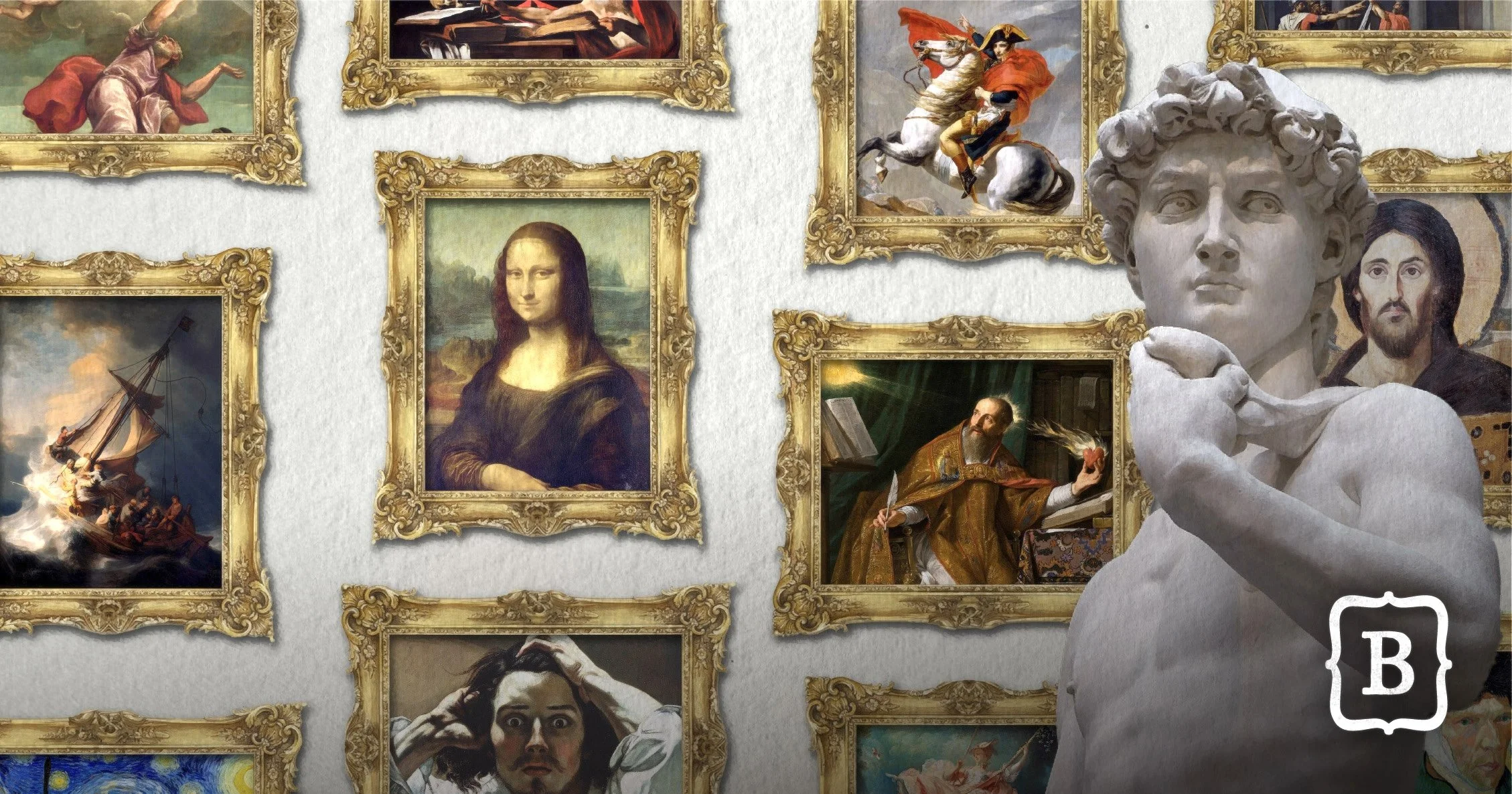
Why Art History is Worth Our Time
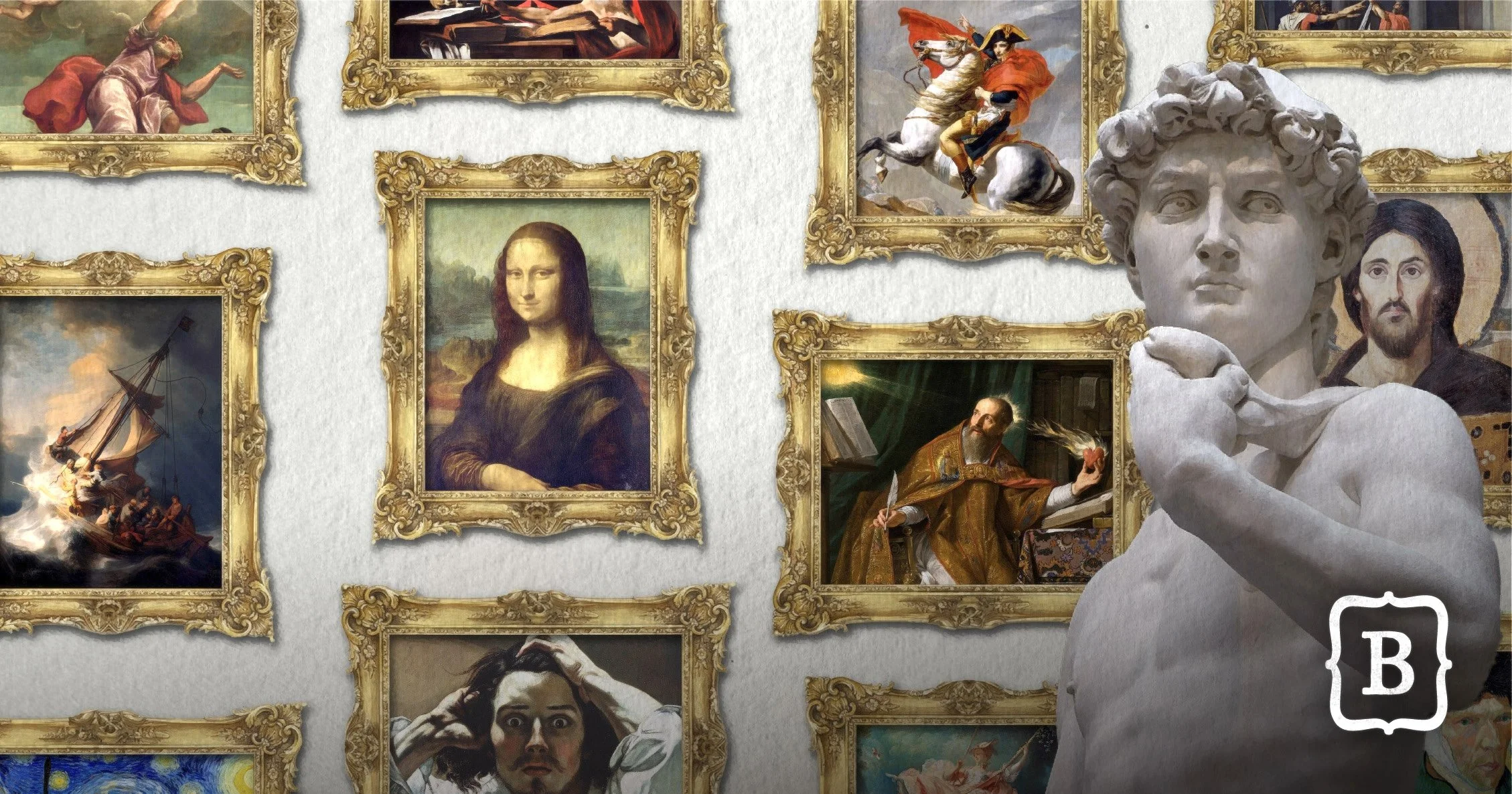
“Nobody who is alert to beauty… is without the concept of redemption” (Roger Scruton, Beauty)
Each year at Chapel Field, we consider ways to strengthen our academics and school culture. Our Visual Arts program is no different, and this year we added a new focus on art history, introducing an important addition to our opening liturgy— silent art history contemplation.
To begin each art class, students set their work aside to silently contemplate a single masterwork of art history at the front of the room. We only ask for 60 seconds of complete silence, but in this distracted age, even this small exercise feels almost radical. This is time to reset and sit with something beautiful. Before students learn to make art, they learn to admire it. But why? Does art history truly matter?
For history lovers like me, it’s never a chore to sit through stories of great battles, Kings and Queens, power struggles, and revolutions. We instinctively understand that these stories matter. But art history, on the other hand, is often seen as superfluous. As if the famous paintings and sculptures of the past are mere side notes to the important information.
And yet, art history is history in one of its truest forms. It is the record of what people loved, feared, and worshiped. It’s humanity’s continual pursuit of beauty. Even still, is it really worth our time?
Teaching Us to See
Beauty is sometimes grasped at first glance, but it most often rewards those who slow down to truly take it in. Art history trains us to observe and enjoy. And when students are given the opportunity to pause, observe, and absorb, the results tend to be impressive.
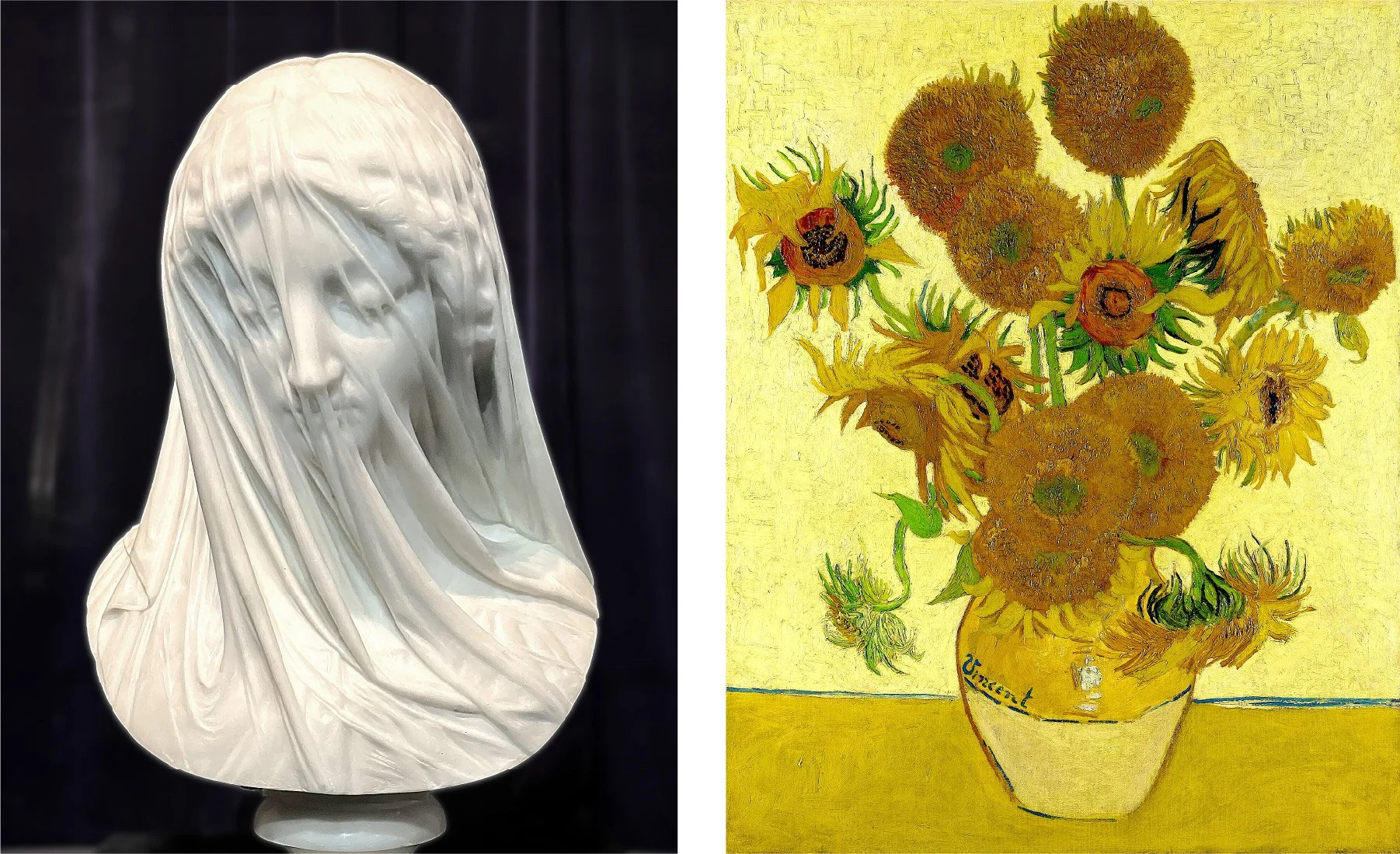
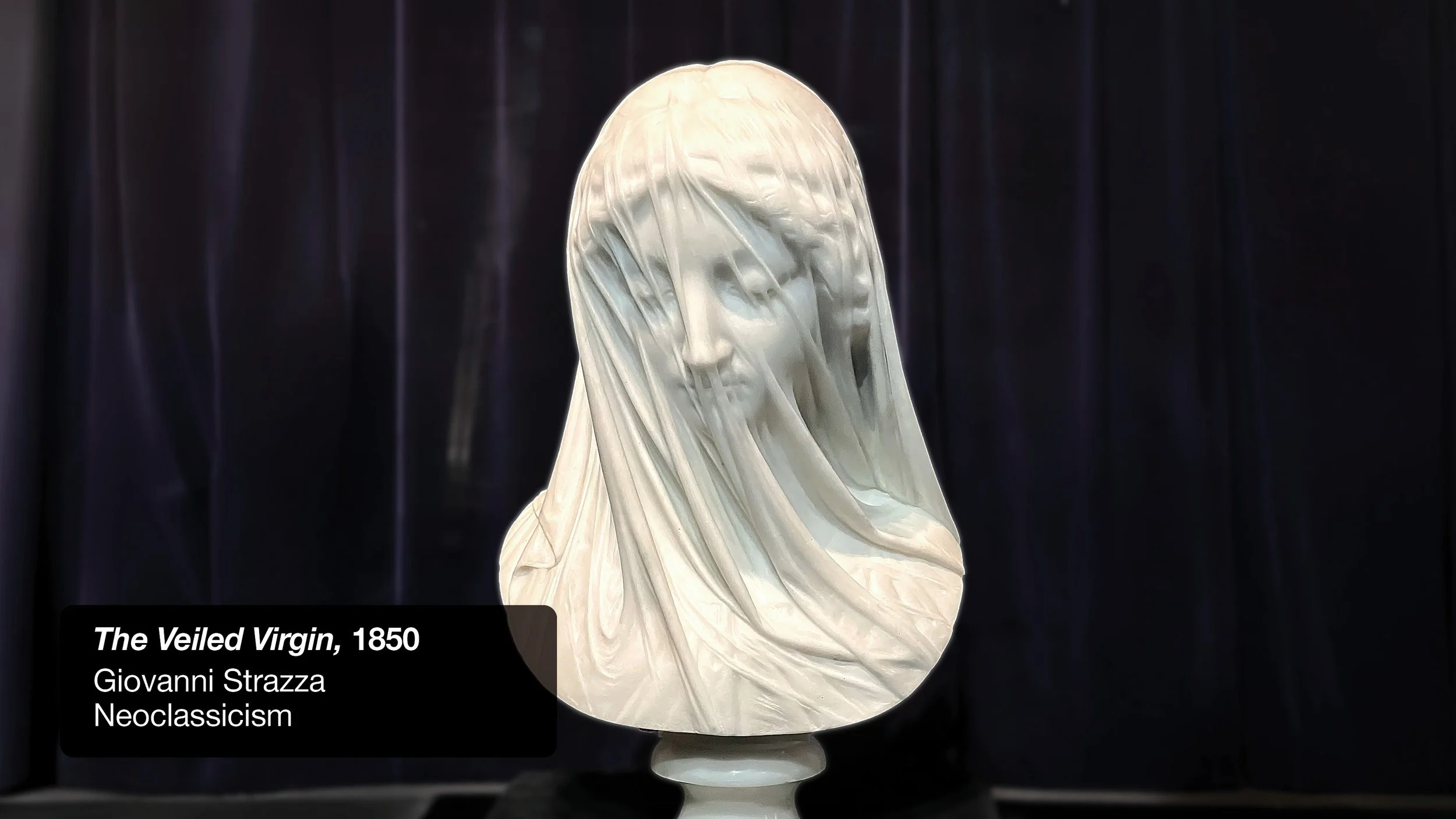
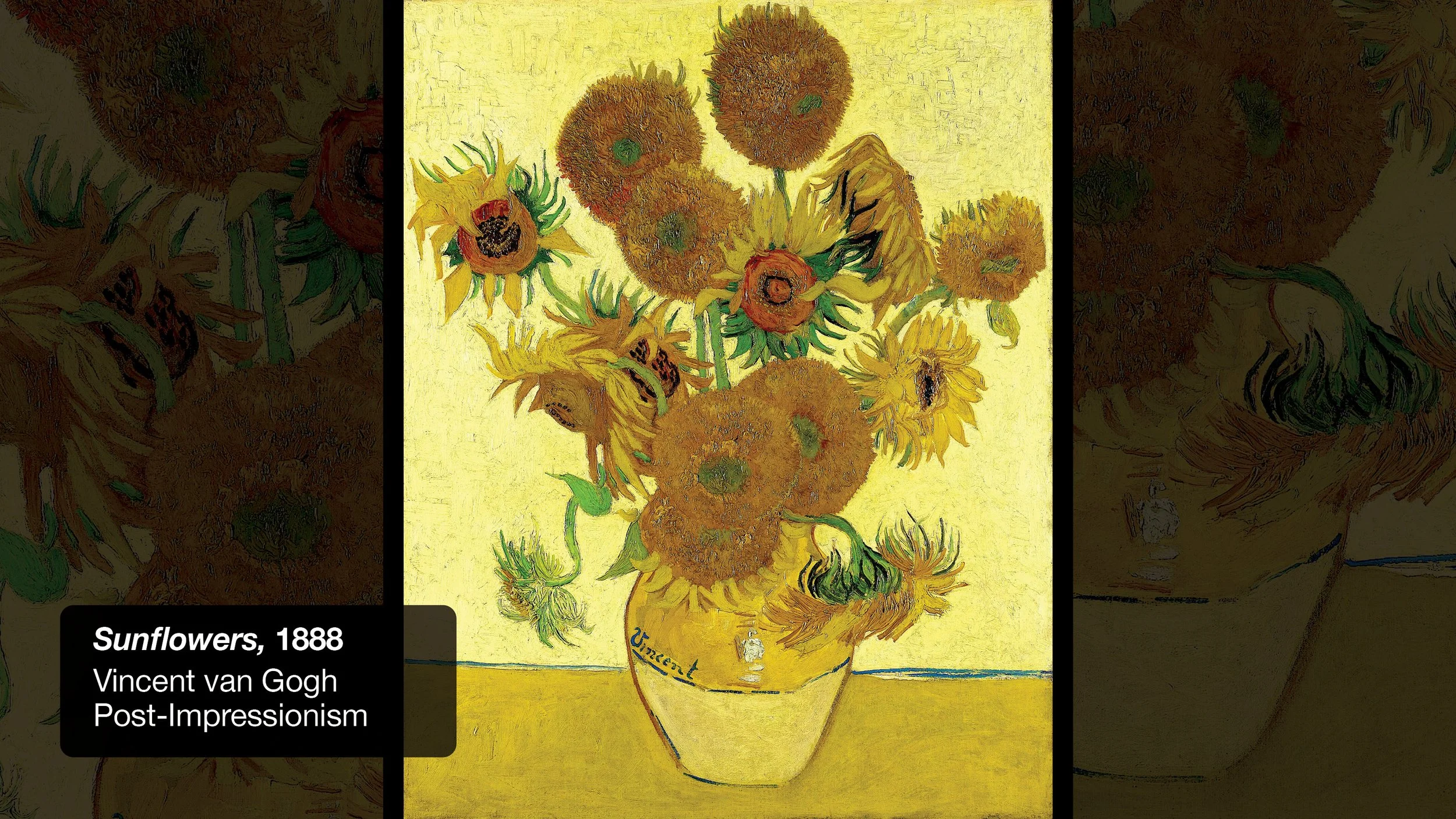
(Left) Veiled Virgin by Giovanni Strazza, 1850; (Right) Sunflowers by Vincent van Gogh, 1888.
For example, earlier this year, students contemplated Giovanni Strazza’s Veiled Virgin. With time, they noticed the astonishing illusion of a translucent veil over Mary’s face, carved entirely from a single block of marble. And just a few weeks ago, they sat with Van Gogh’s famous Sunflowers. Beneath the messy Impressionist brushstrokes (painted while the artist struggled with serious mental illness), students recognized the tension of flowers brought inside for beauty, already beginning to die now cut from their roots.
These conversations ran longer and deeper still, but these are just two of many such moments of beautiful student-driven contemplation. As our program’s art catechism puts it: we approach the great works of art history “with reverence and discernment, admiring their grandeur with an eagerness to learn from them.” (See our full catechism sheet.)
Forming Humility
Art history does more than teach us old stories. It forms us and cultivates humility. It reminds us that we did not invent beauty. We’ve inherited it.
The aesthetics and visual language we take for granted were laid by generations of God’s image-bearers. These masters wrestled with light, composition, color, and the human condition long before we ever picked up our pencils. Their masterworks still instruct us centuries later. Like Dante learning from Virgil in The Divine Comedy, we do not walk this path alone. We stand on the shoulders of giants.
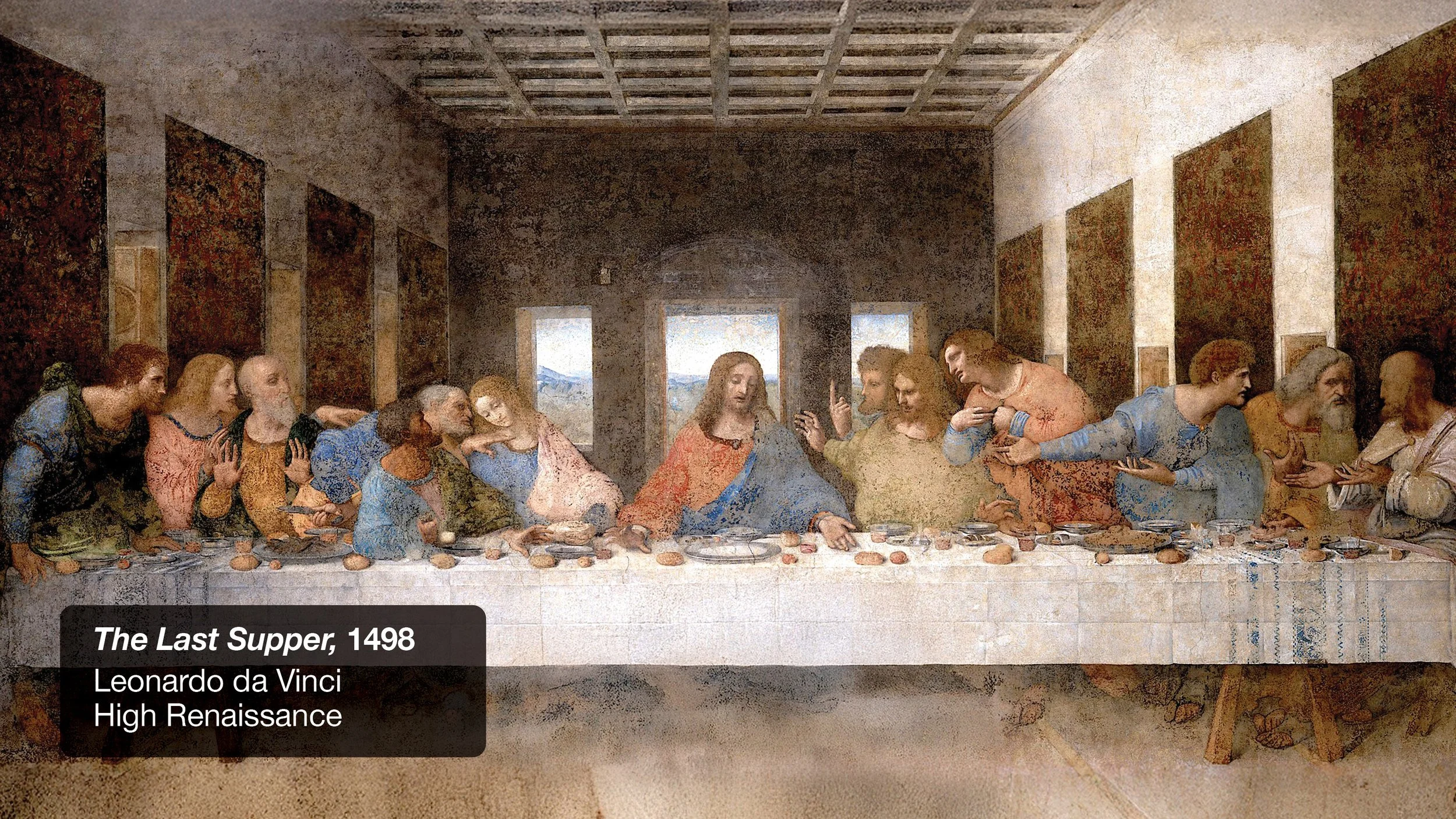
When students analyzed Last Supper, they saw how Leonardo used line, space, and light to draw the eye directly to Christ, even as the disciples erupt in confusion to the news that one of their own would betray Him. The elements of art we now teach were patiently refined by the masters themselves… and that should humble us.
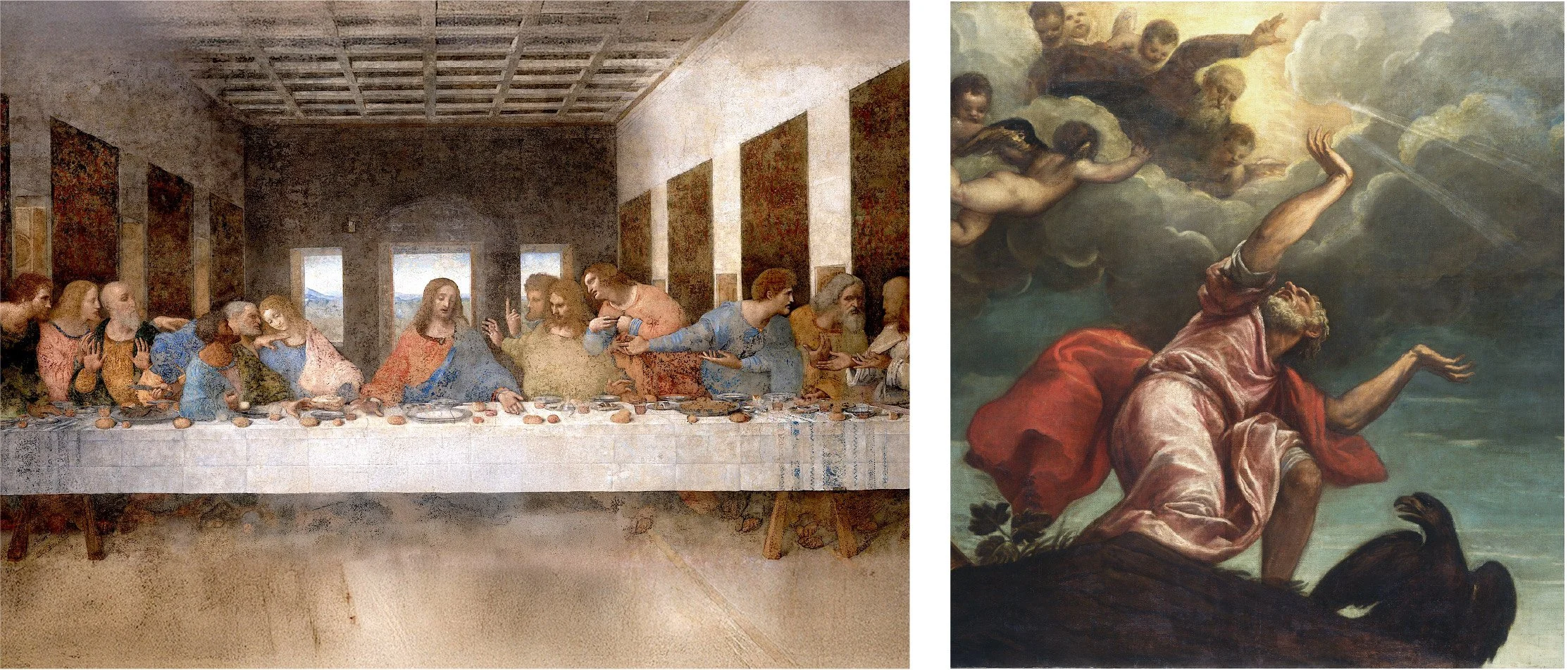
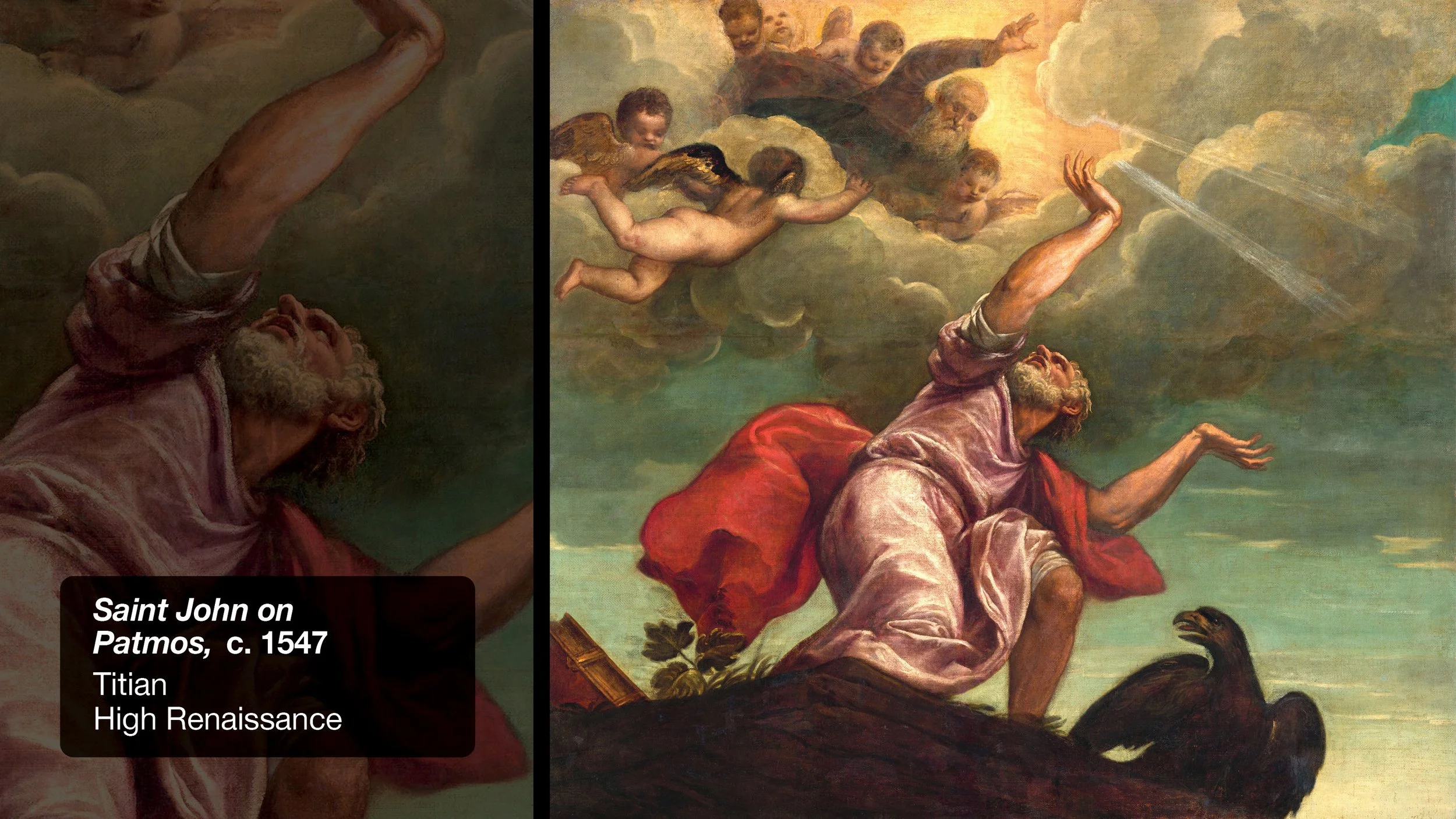
(Left) The Last Supper by Leonardo da Vinci, 1495–1498; (Right) Saint John on Patmos by Titian, c. 1547.
Cultivating Discernment
The work of the masters should inspire awe in us, but humility does not equal blind praise. No historical work reflects truth or goodness perfectly. And that discussion itself is fruitful.
When contemplating Titian’s Saint John on Patmos, students’ admiration quickly turned to debate. Did Titian break a commandment when depicting God the Father in his art? Did this question subtract from the masterpiece’s beauty? These questions reminded students that even Renaissance masterworks require careful discernment.
In Chapel Field’s Visual Arts program, students learn to ask thoughtful questions and weigh ideas. We don’t seek to churn out students on fine-tuned autopilot, but rather well-rounded thinkers who are able to observe with rightly ordered affections.
So, is it worth our time?
Art history is not superfluous. It is part of our inheritance as lifelong learners and as image-bearers of the Great Creator. The works of the masters train our eyes to see with care, give shape to human history, and place us humbly within a long and noble tradition.
Paul reminds us in Philippians 4:8, we are to meditate on “whatever is lovely, whatever is admirable, if there is any excellence, if there is anything worthy of praise.” To sit with historical masterpieces is to do exactly that.
As C. S. Lewis warned in The Screwtape Letters, distraction is often the enemy’s most effective tool. So, perhaps the most radical thing we can do is pause and make time to quietly behold the beautiful work left to us by the giants God placed before us. In this age of constant noise and short attention spans, art history invites us to quietly contemplate. And that is surely worth our time.
Andy Spanjer serves as Director of our Visual Arts Department at Chapel Field.
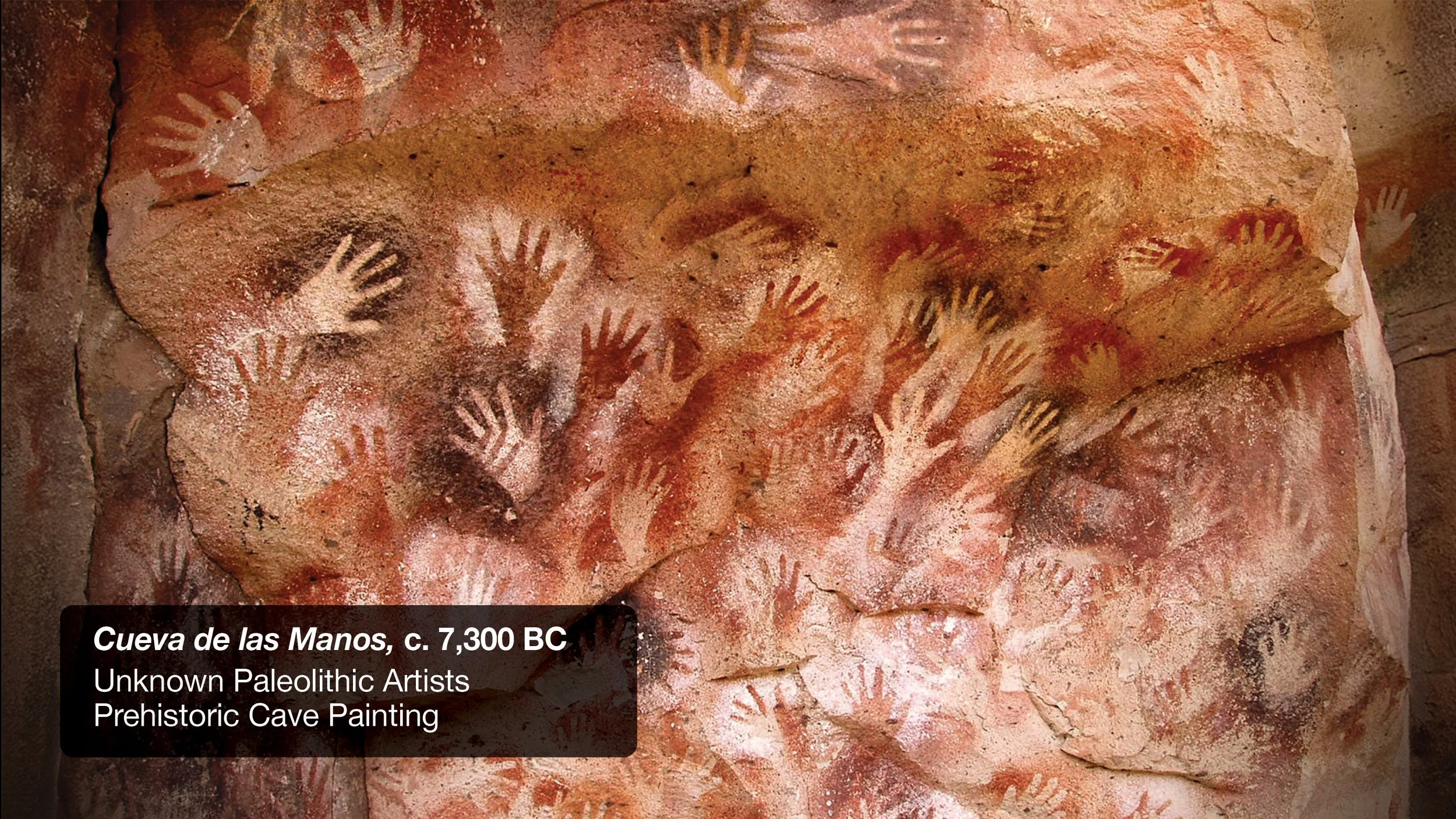
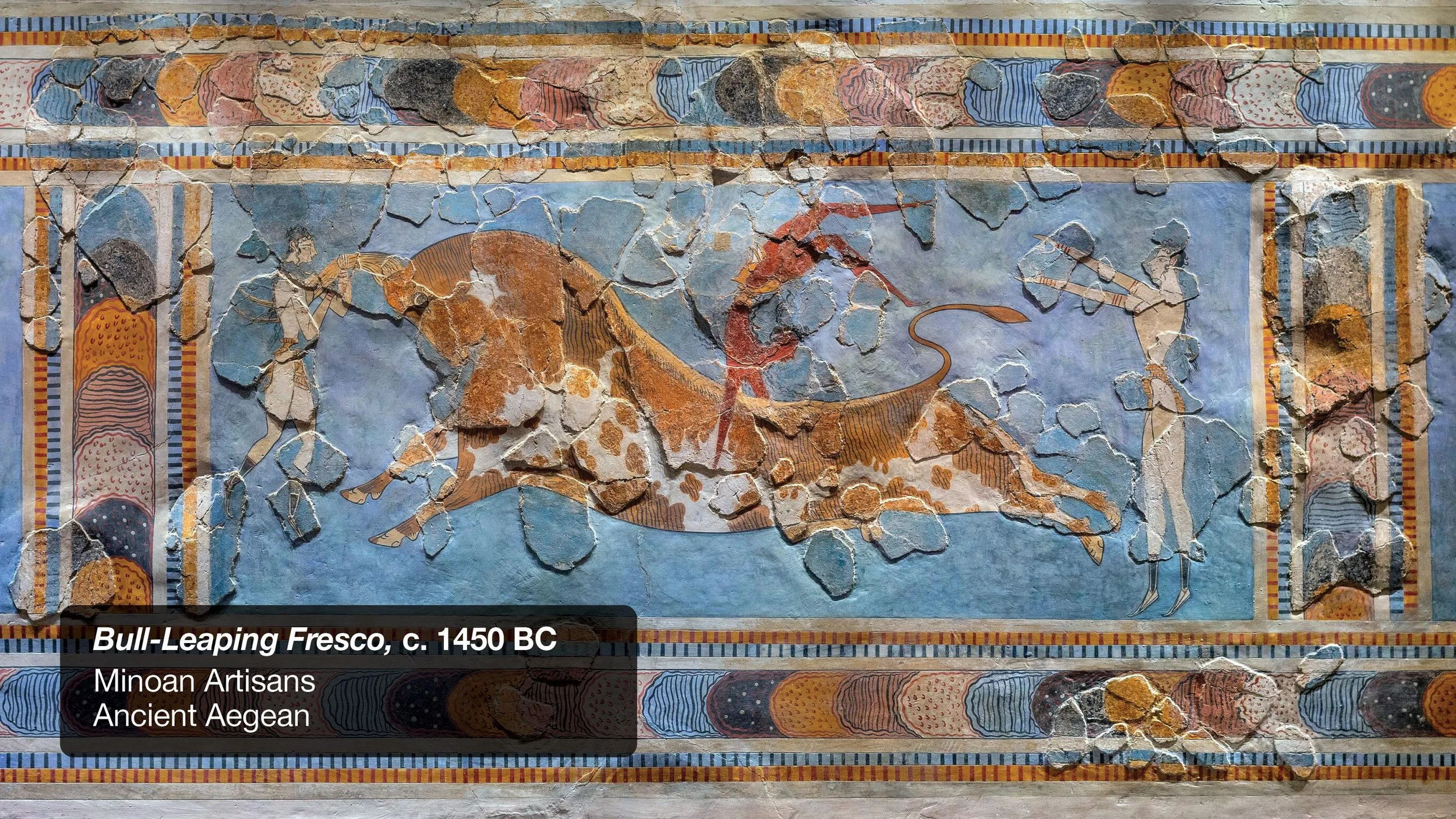
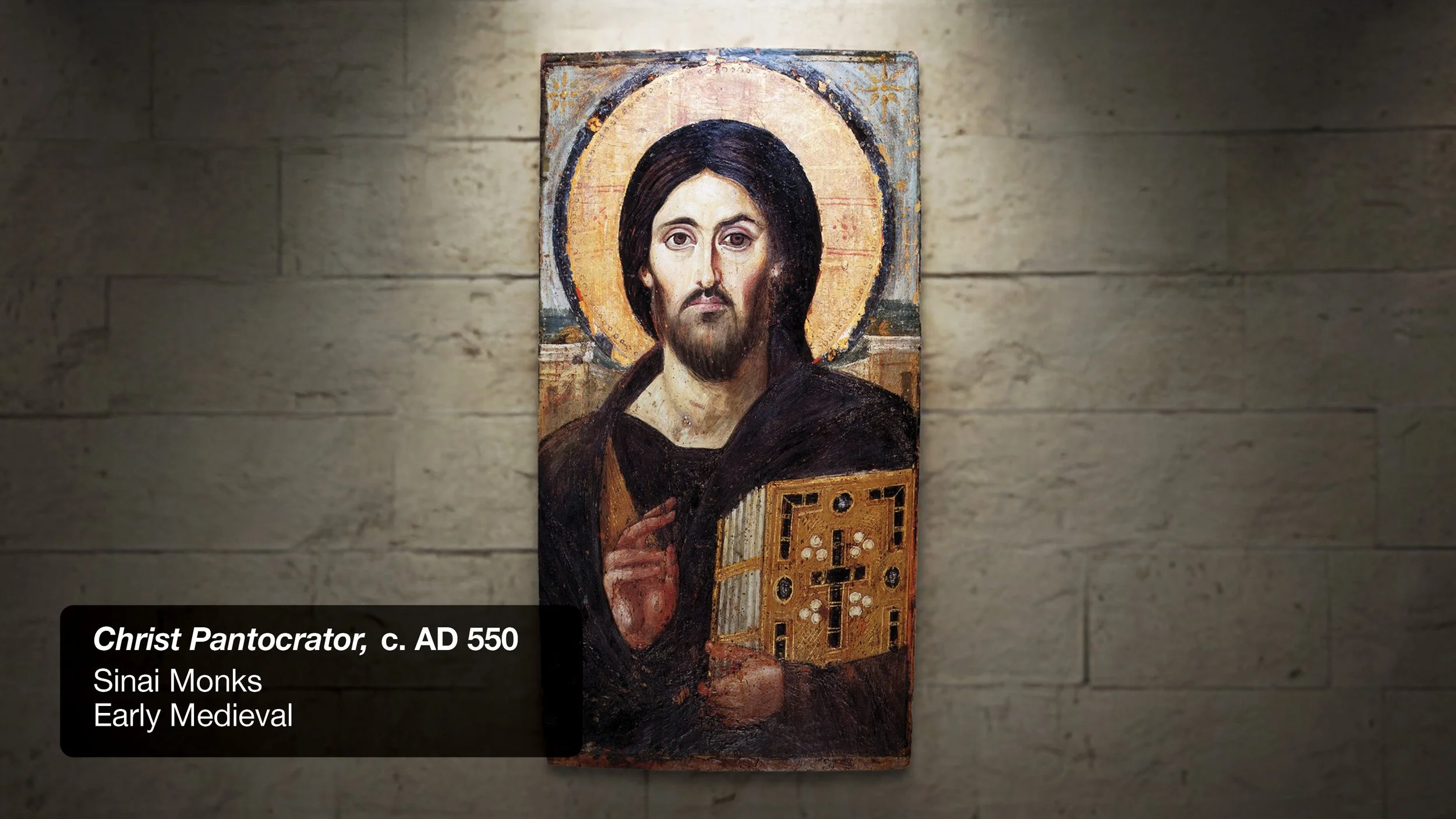
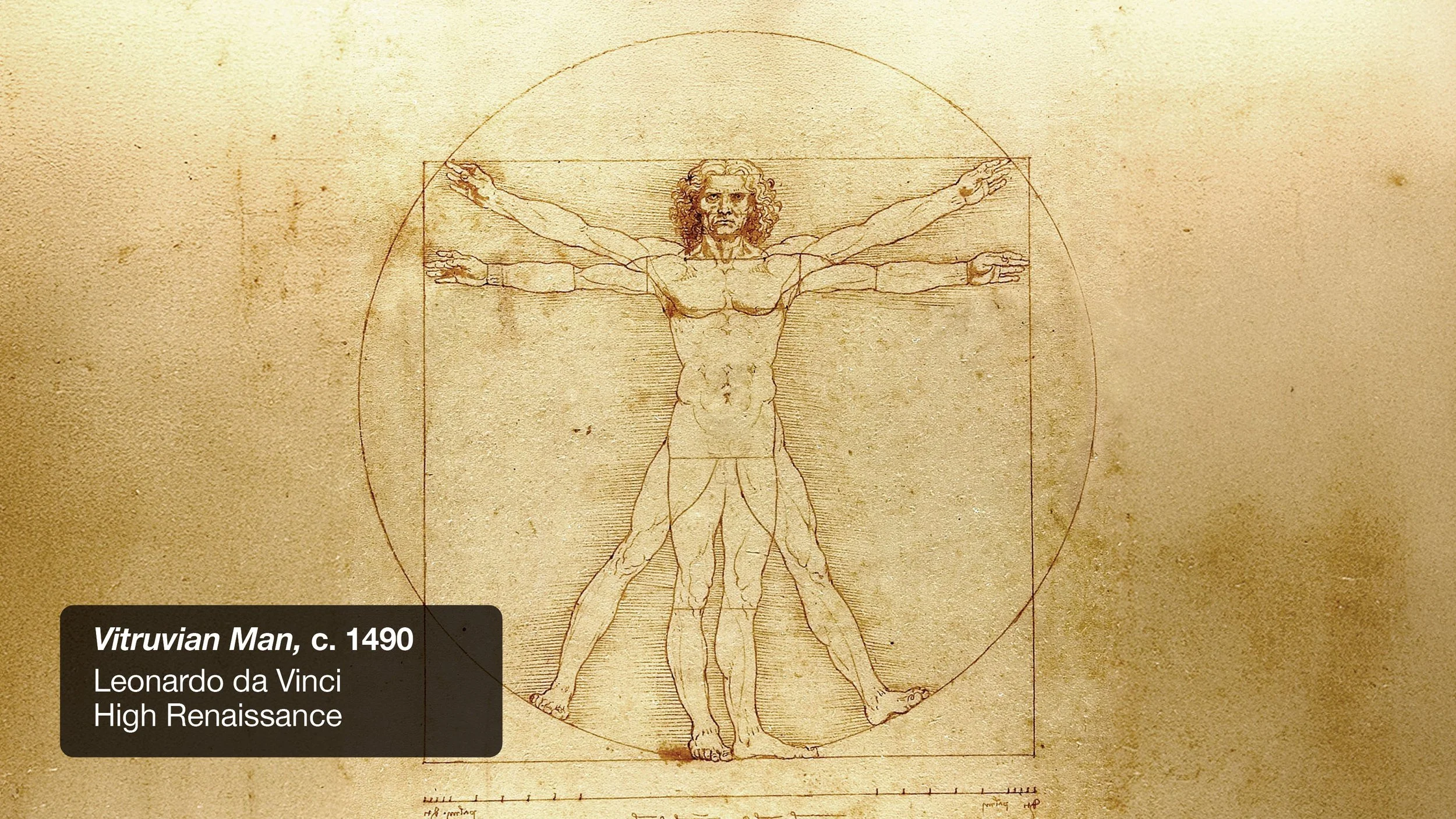
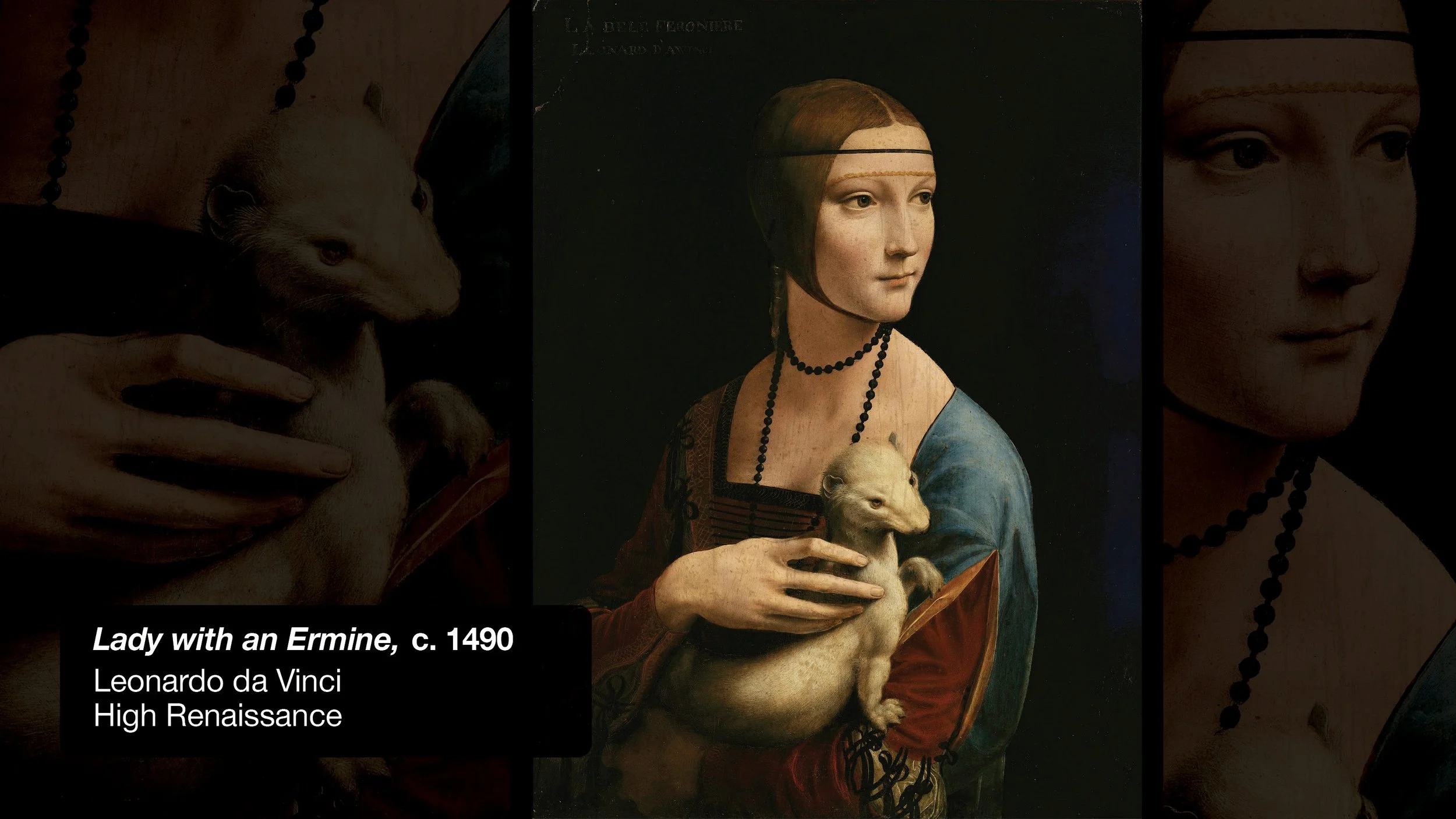
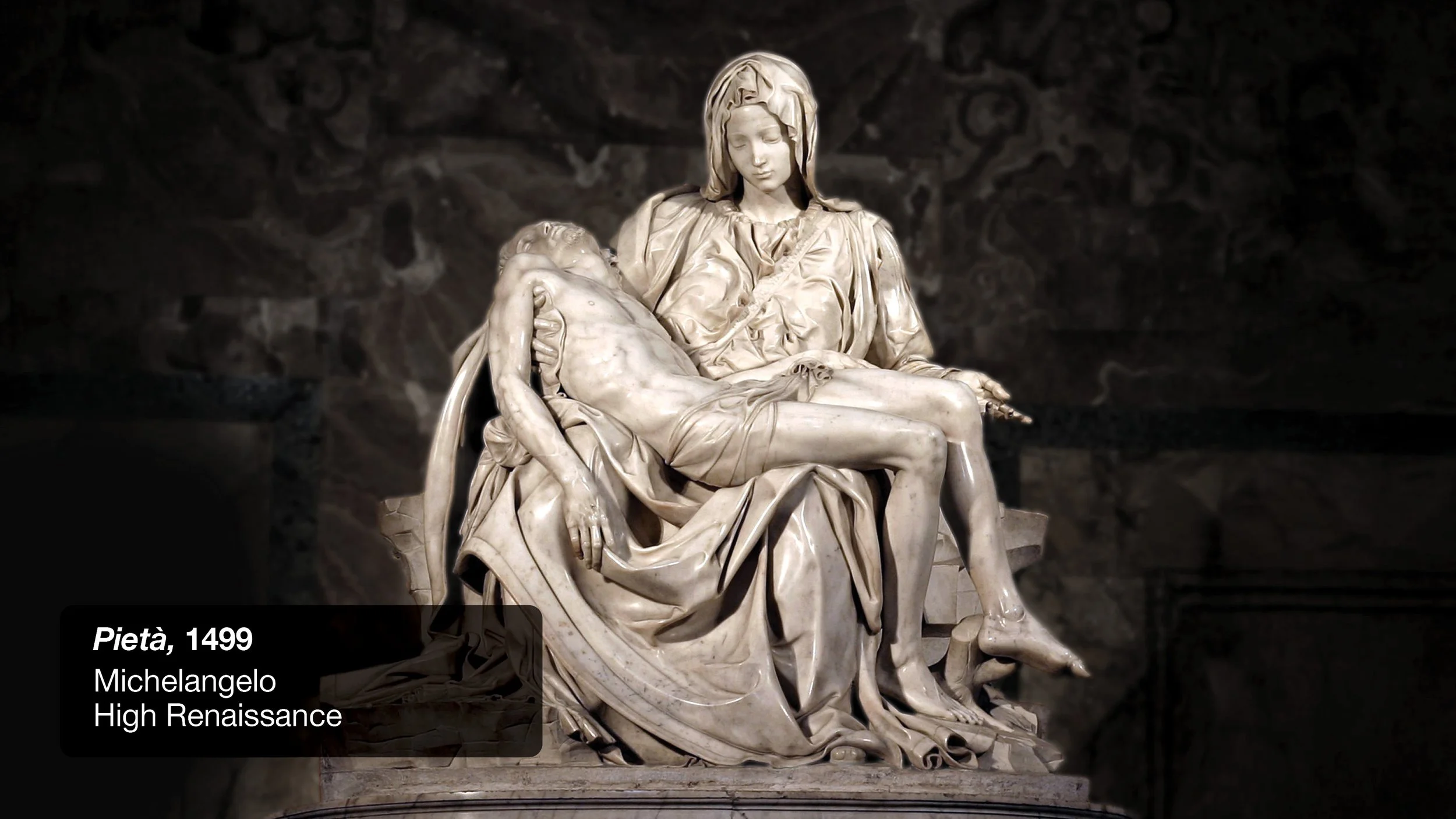
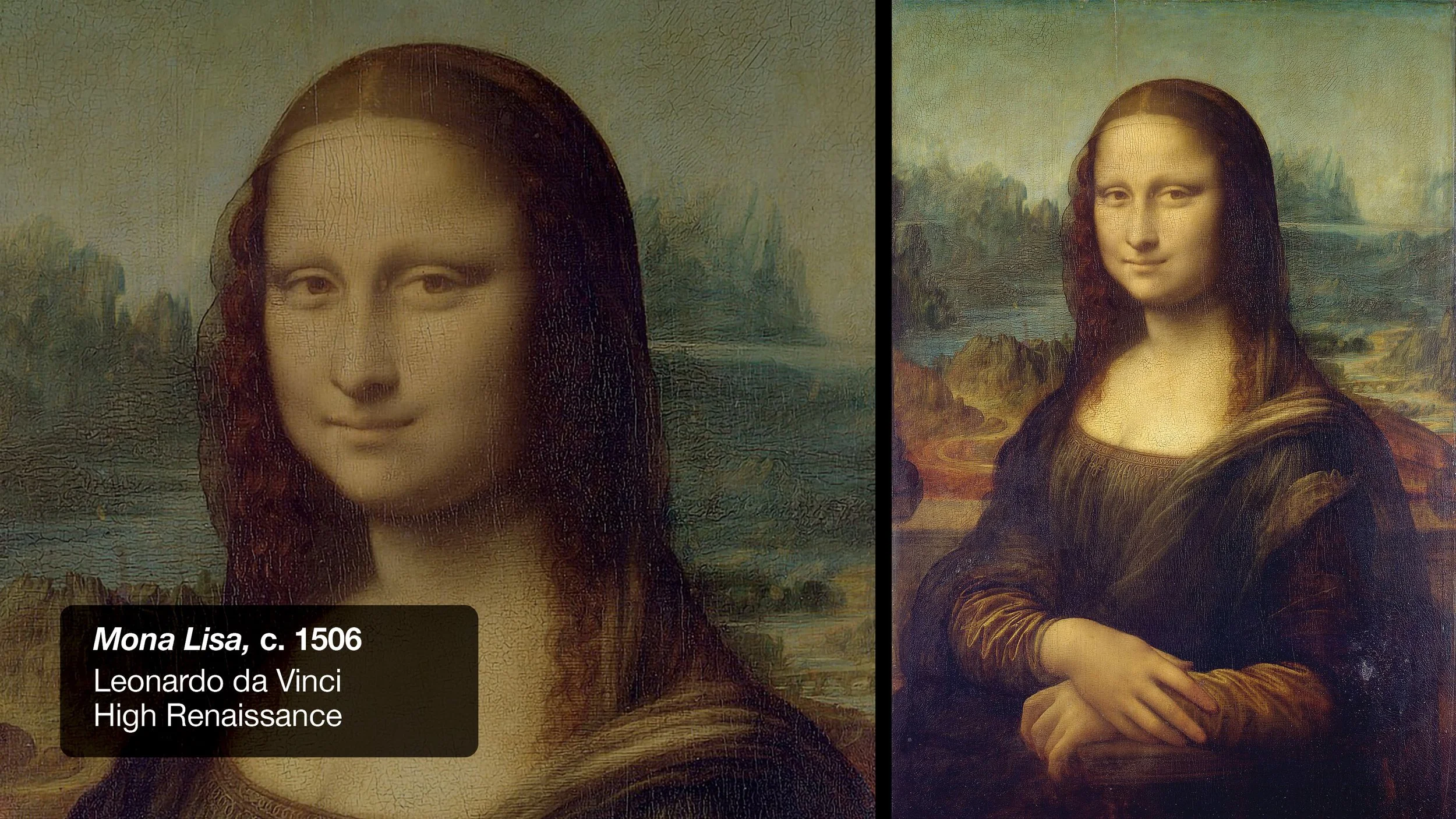
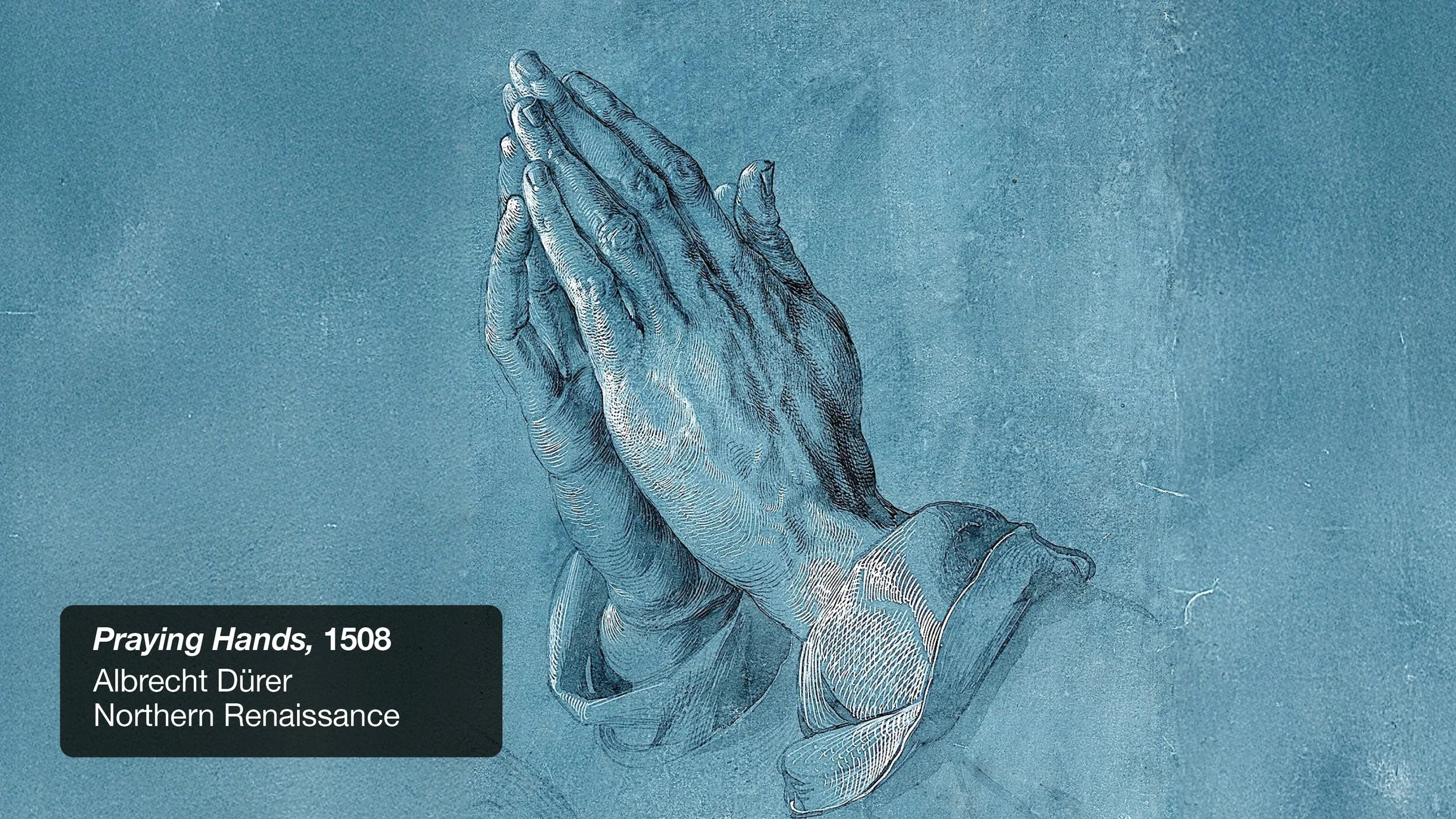
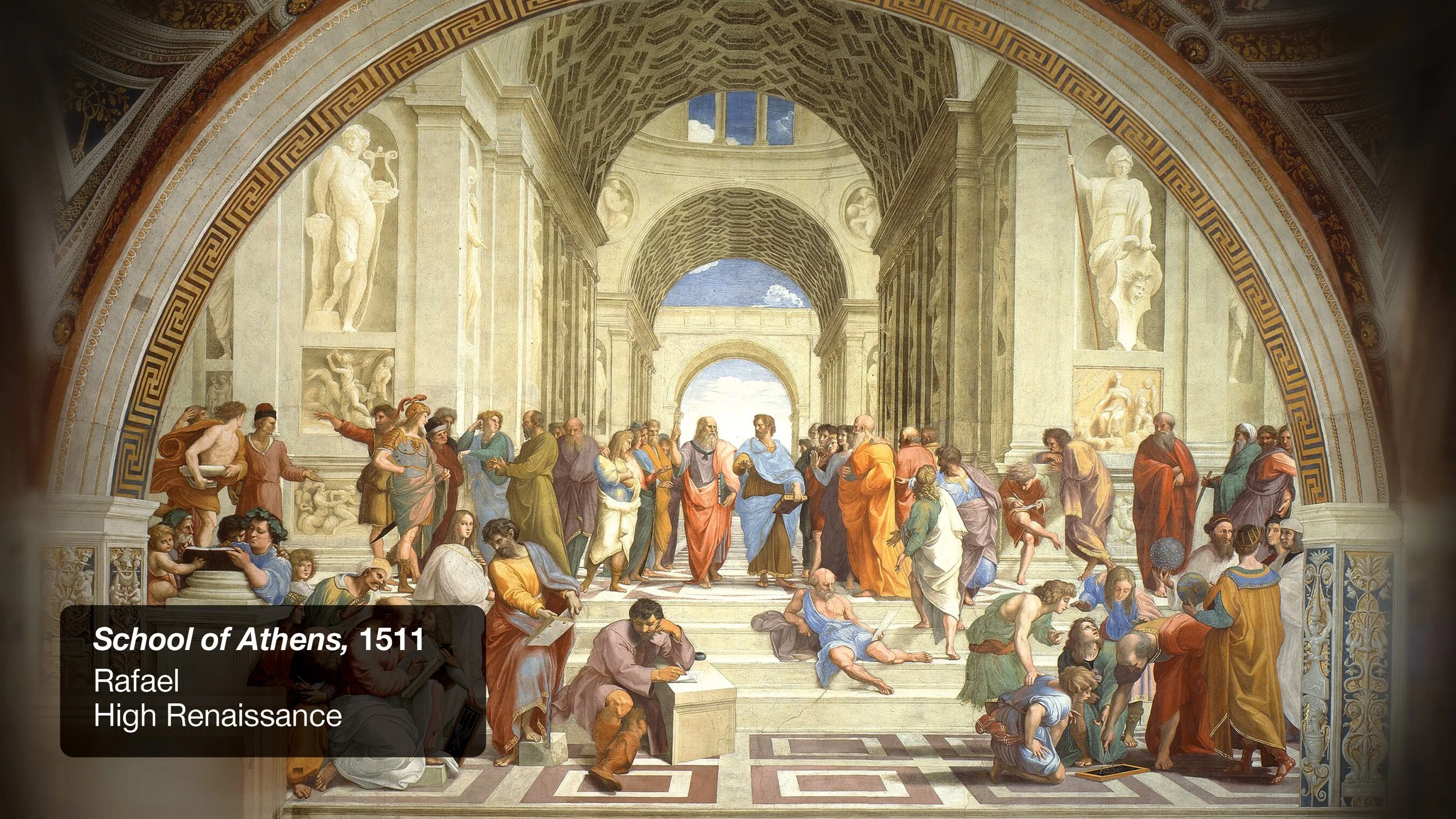
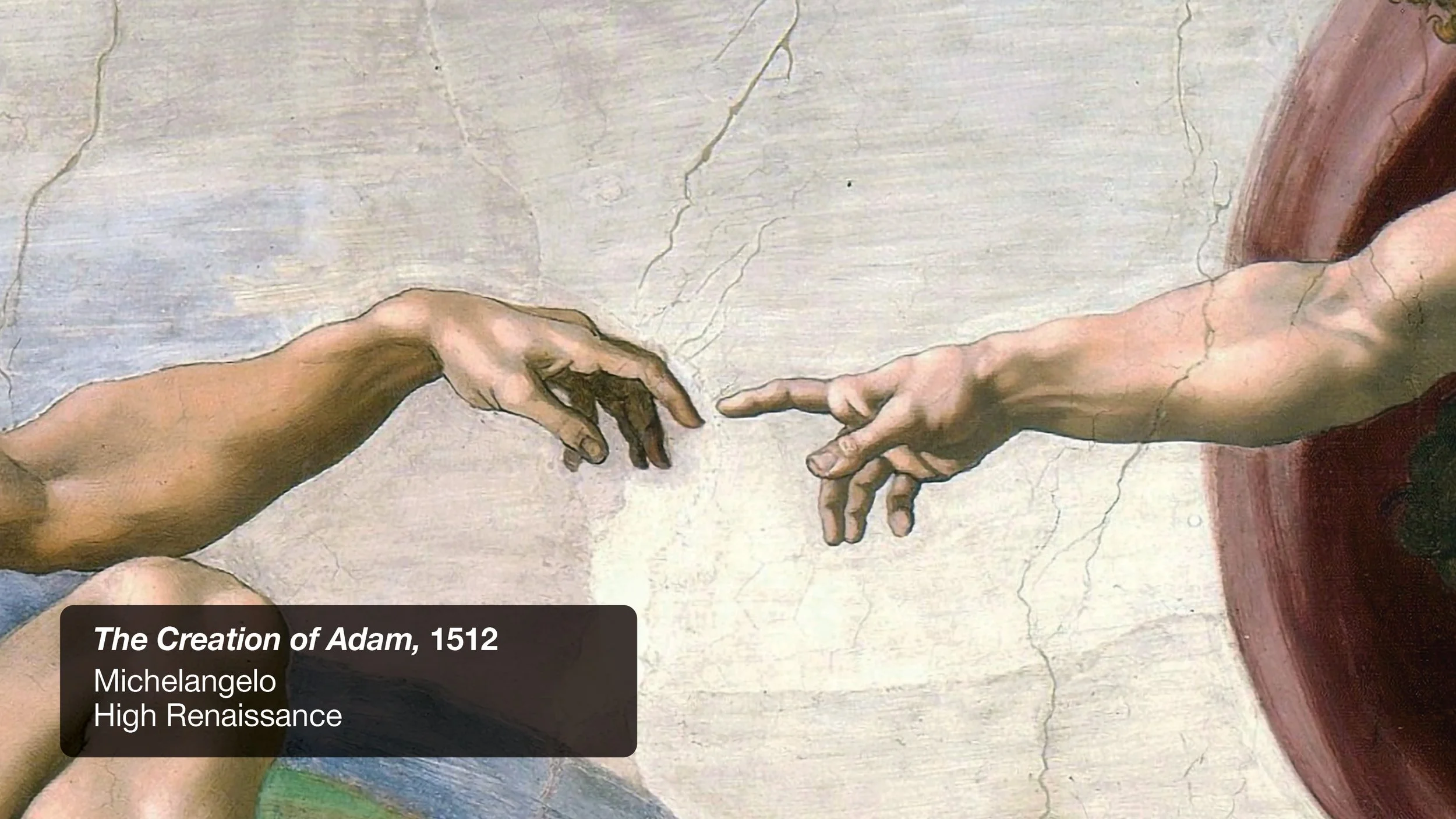
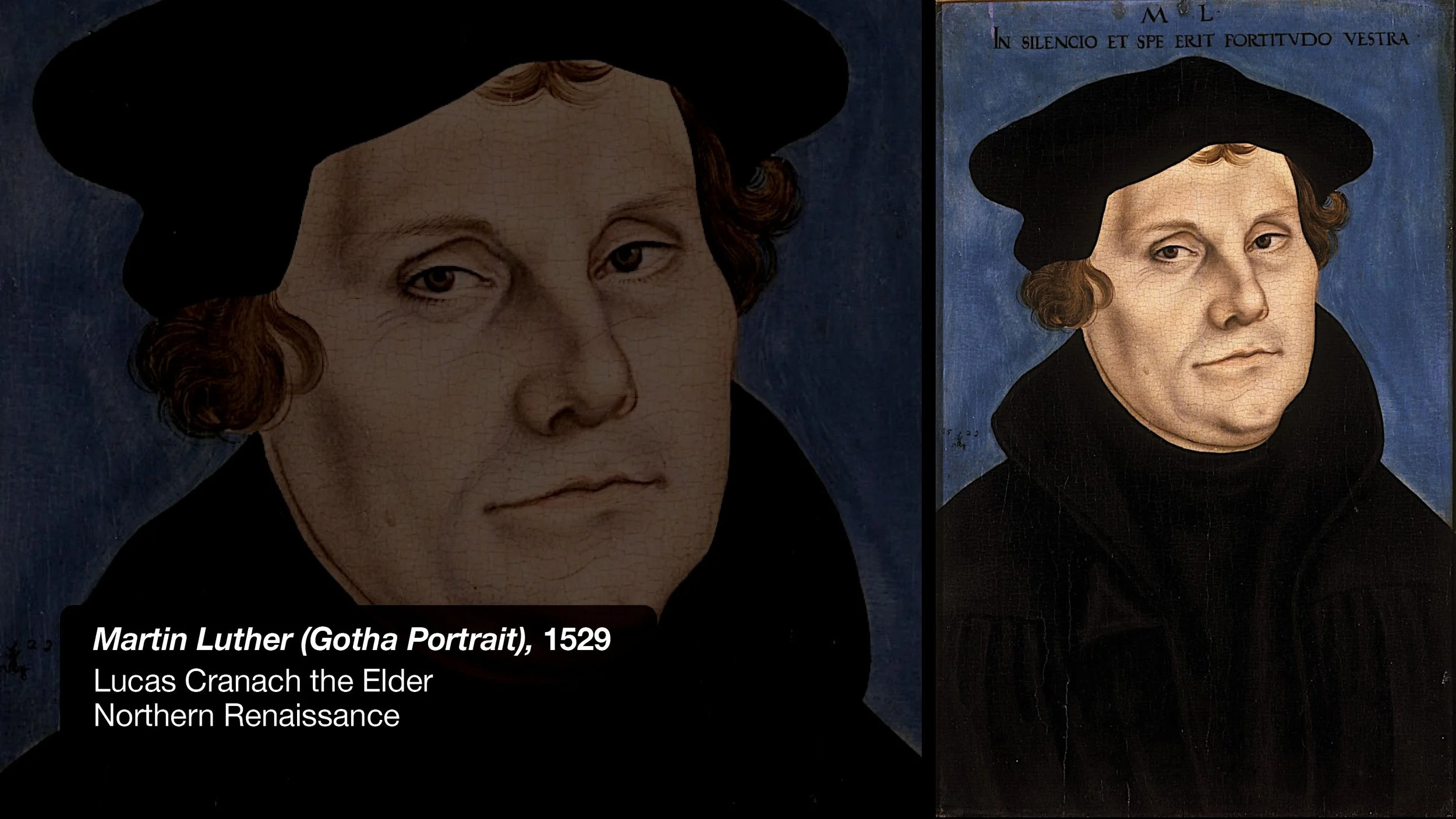
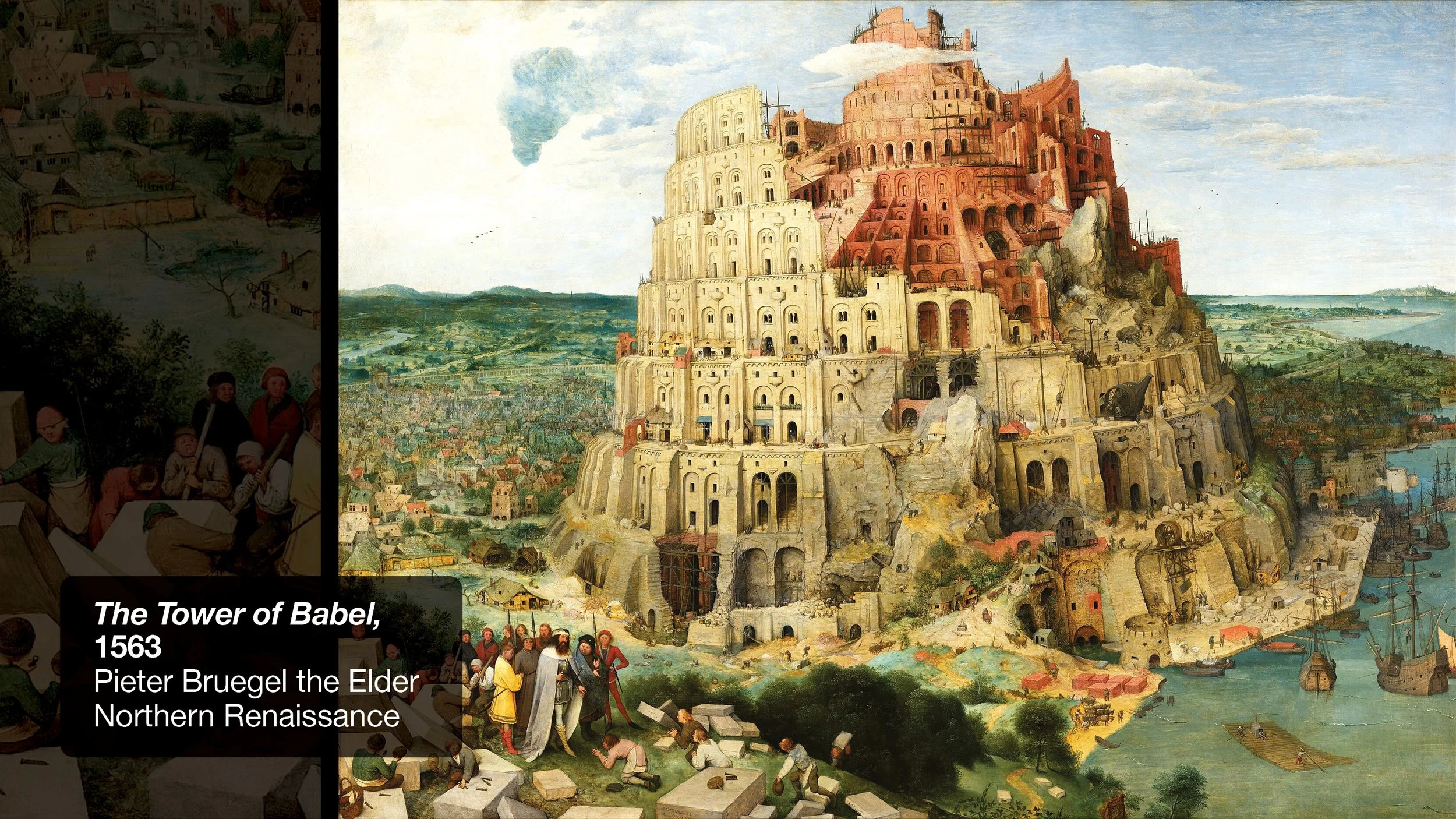
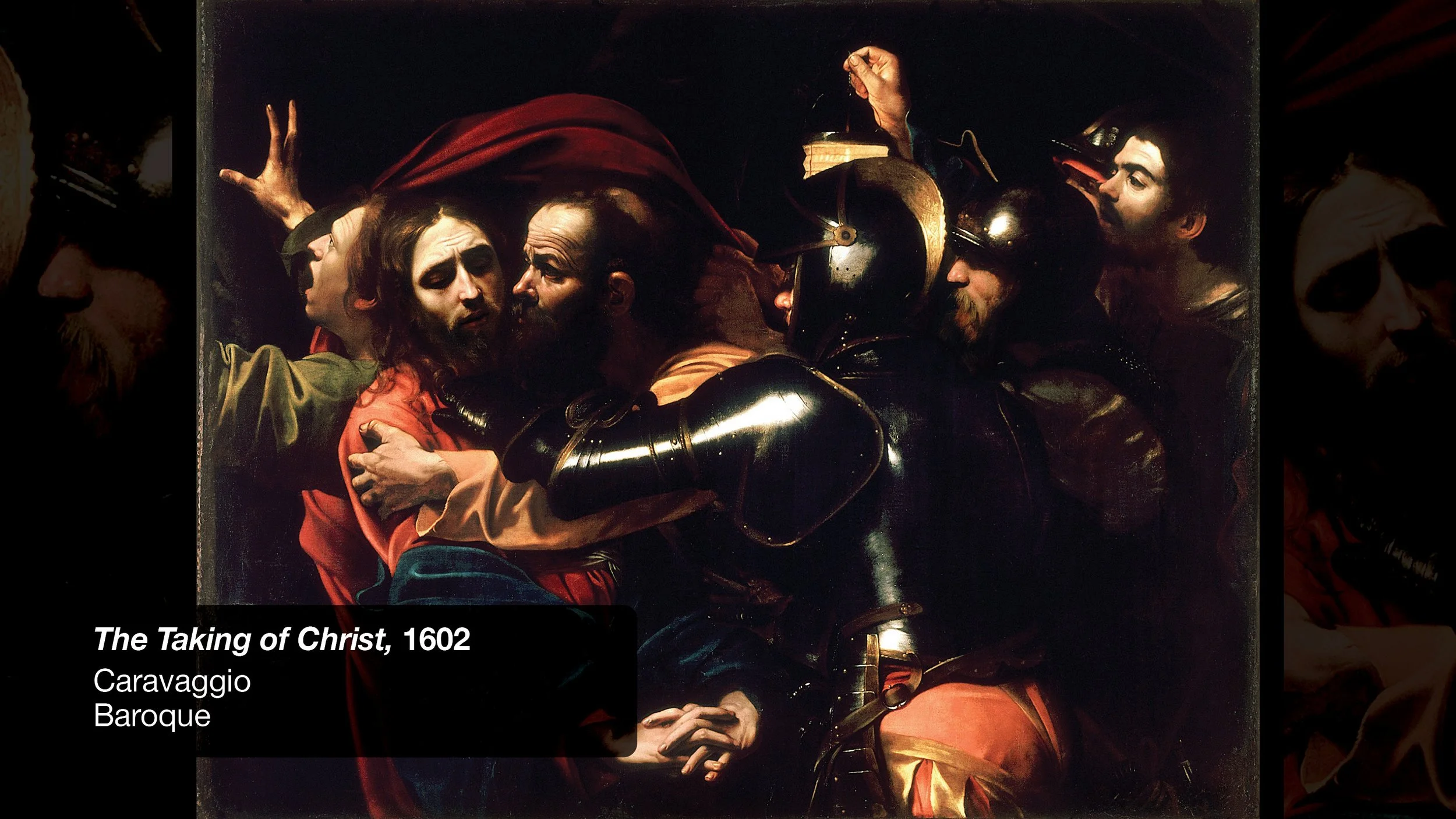
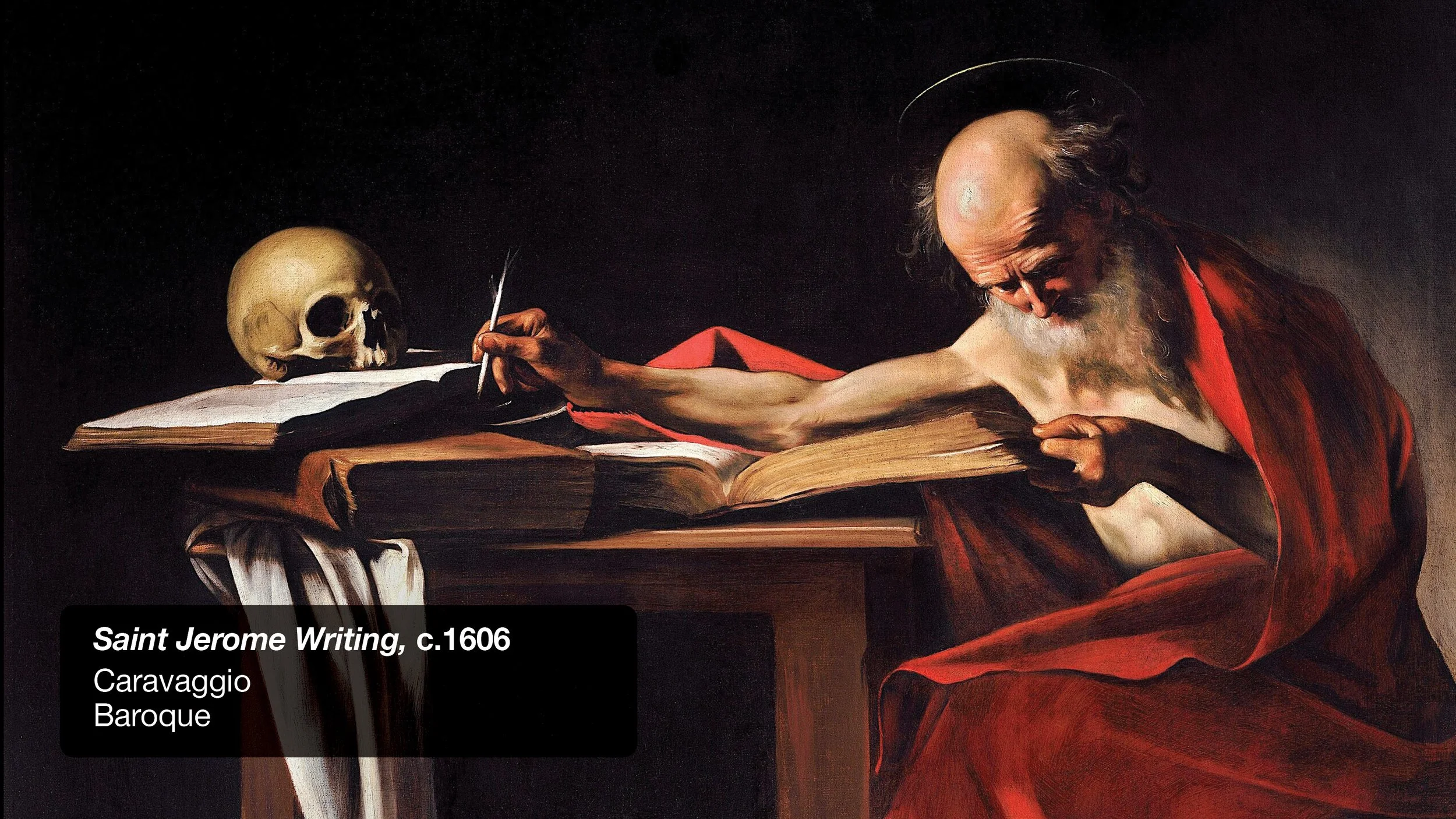
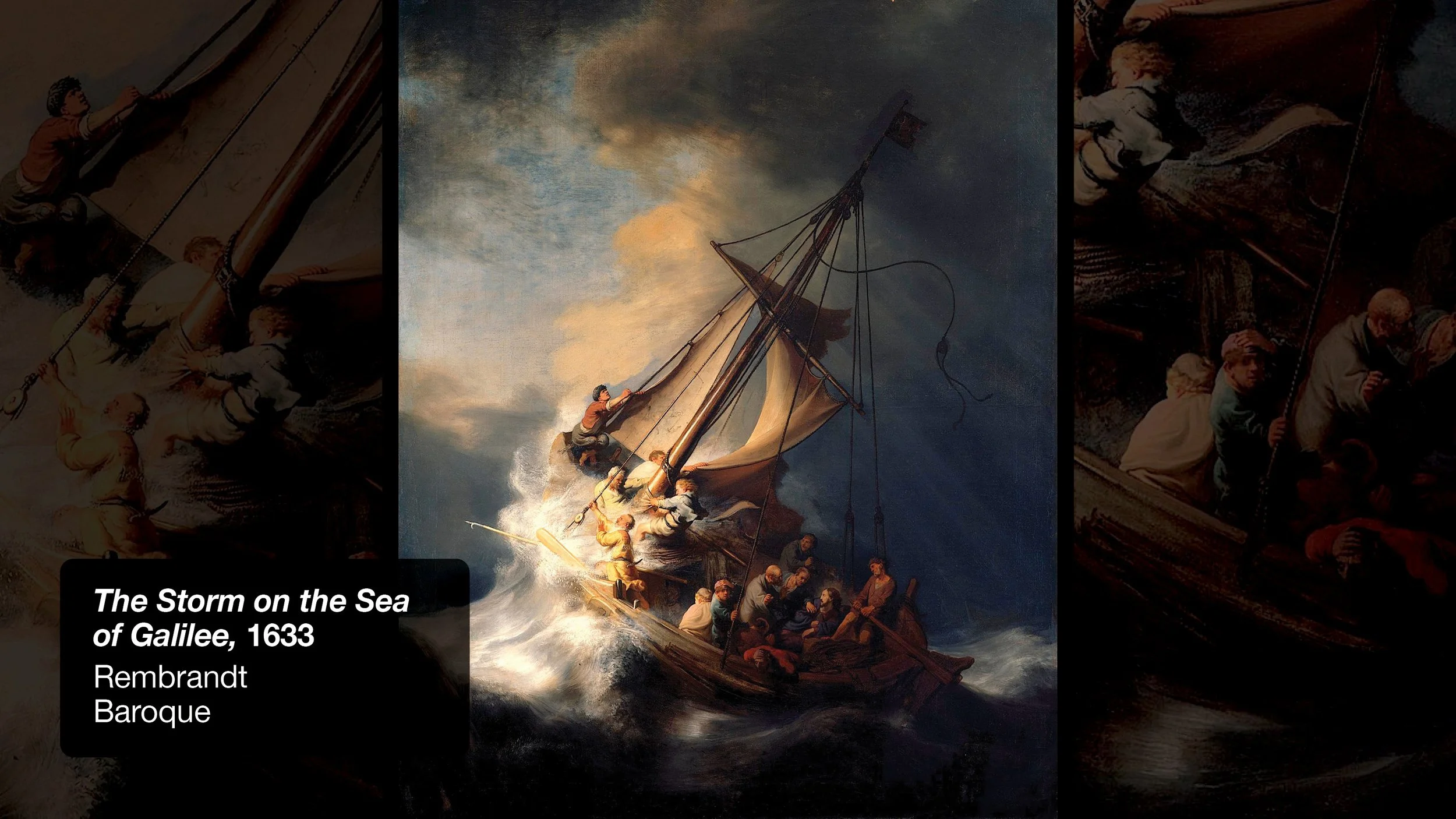
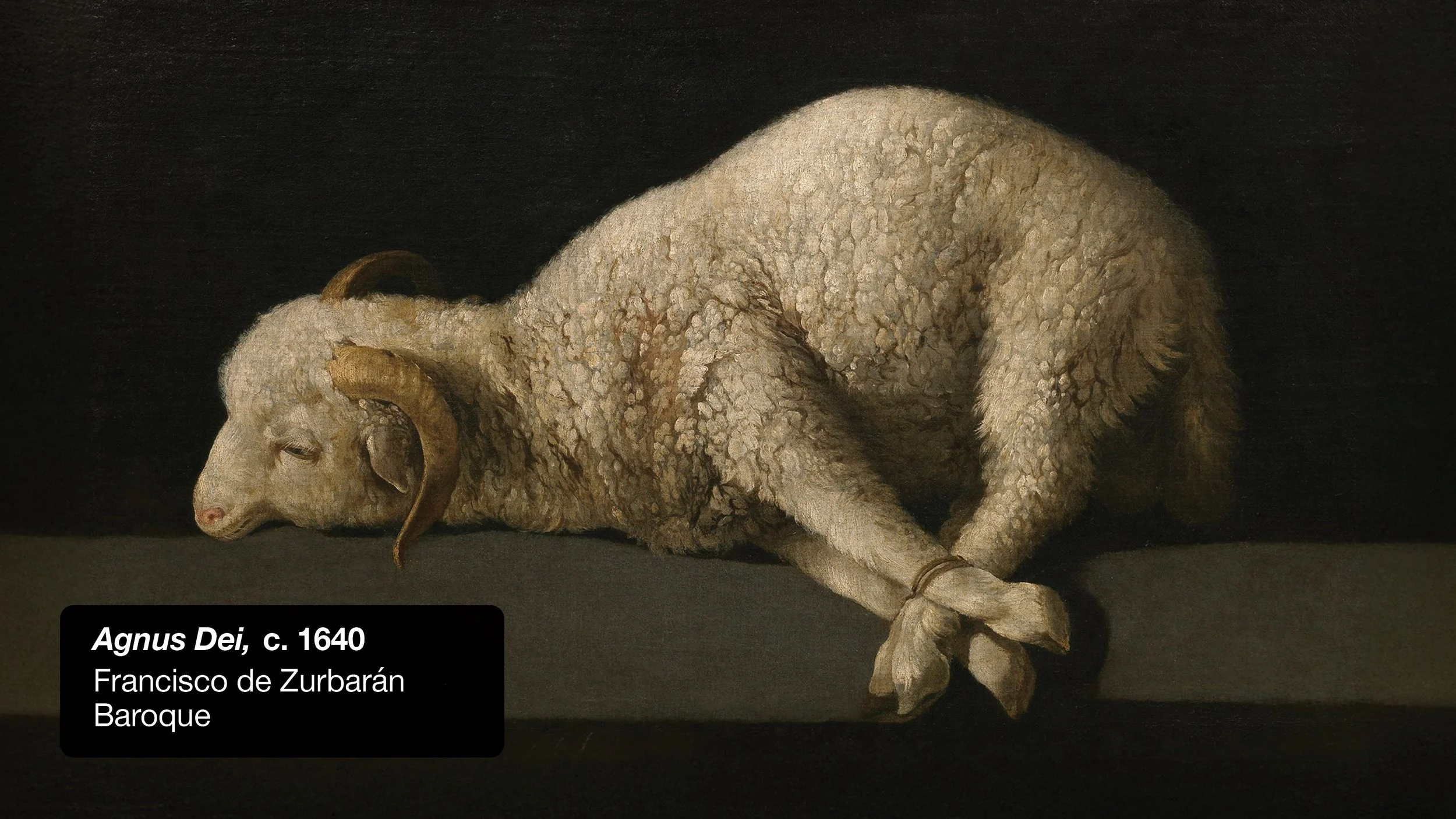
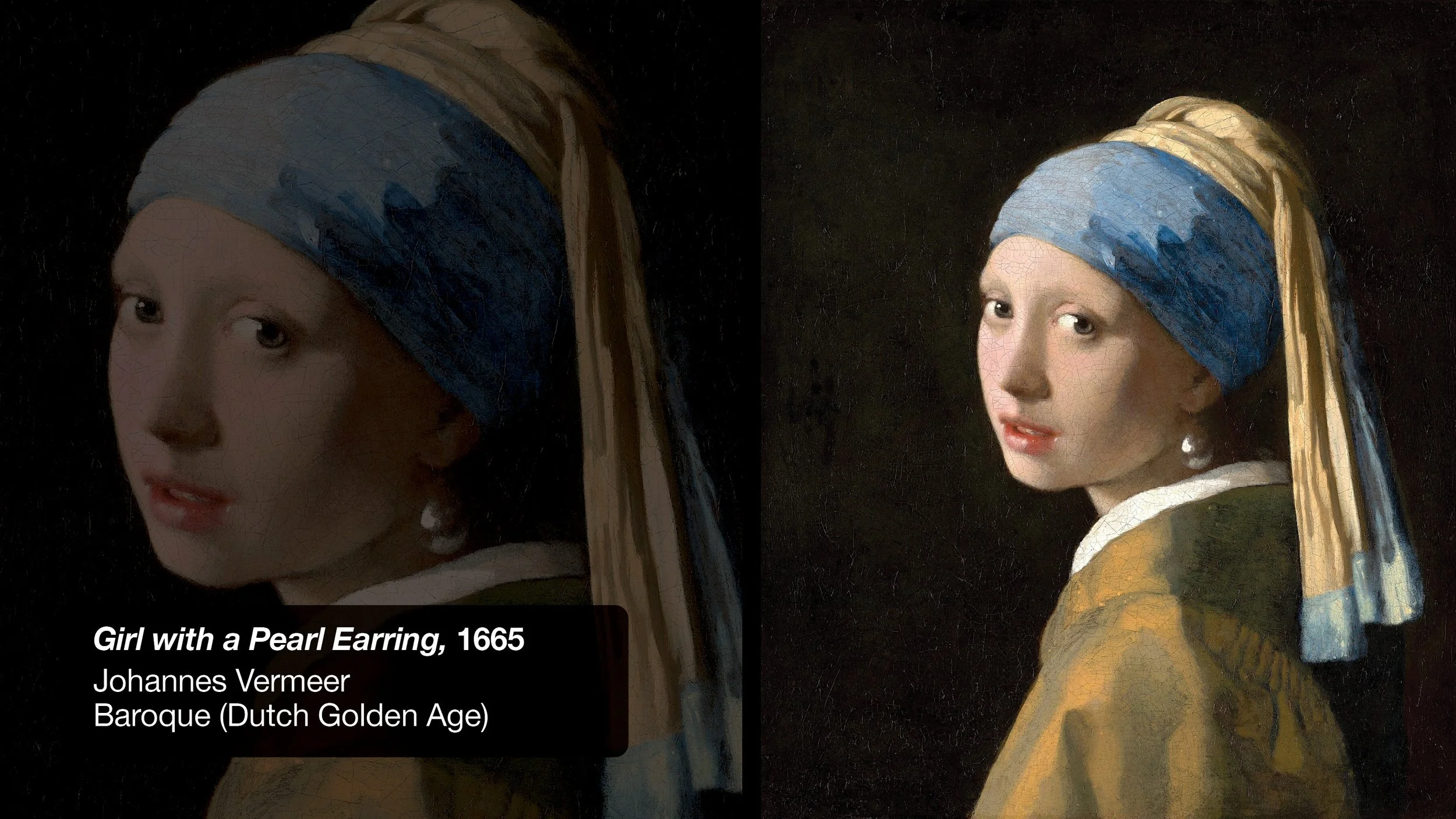
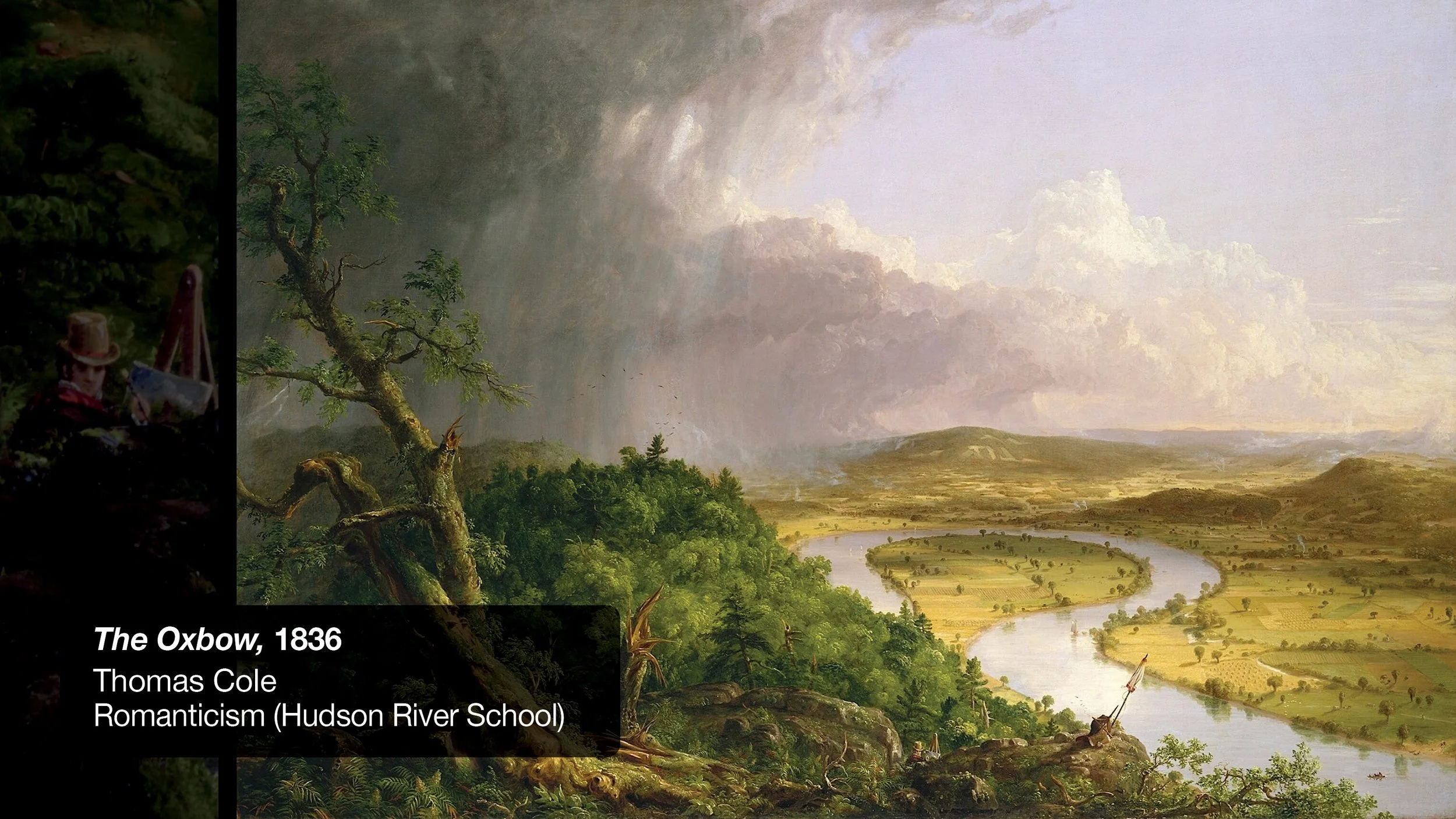
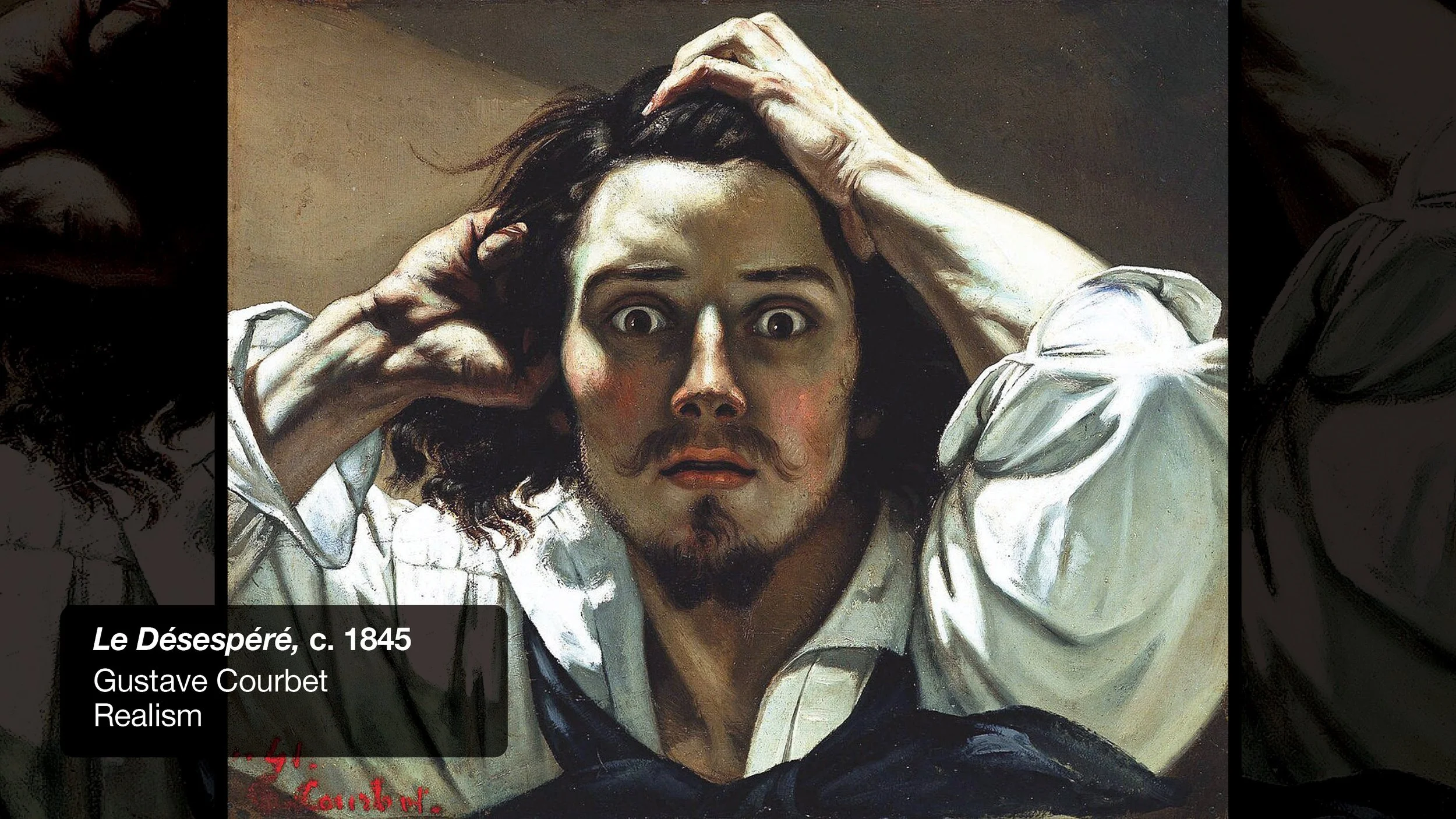
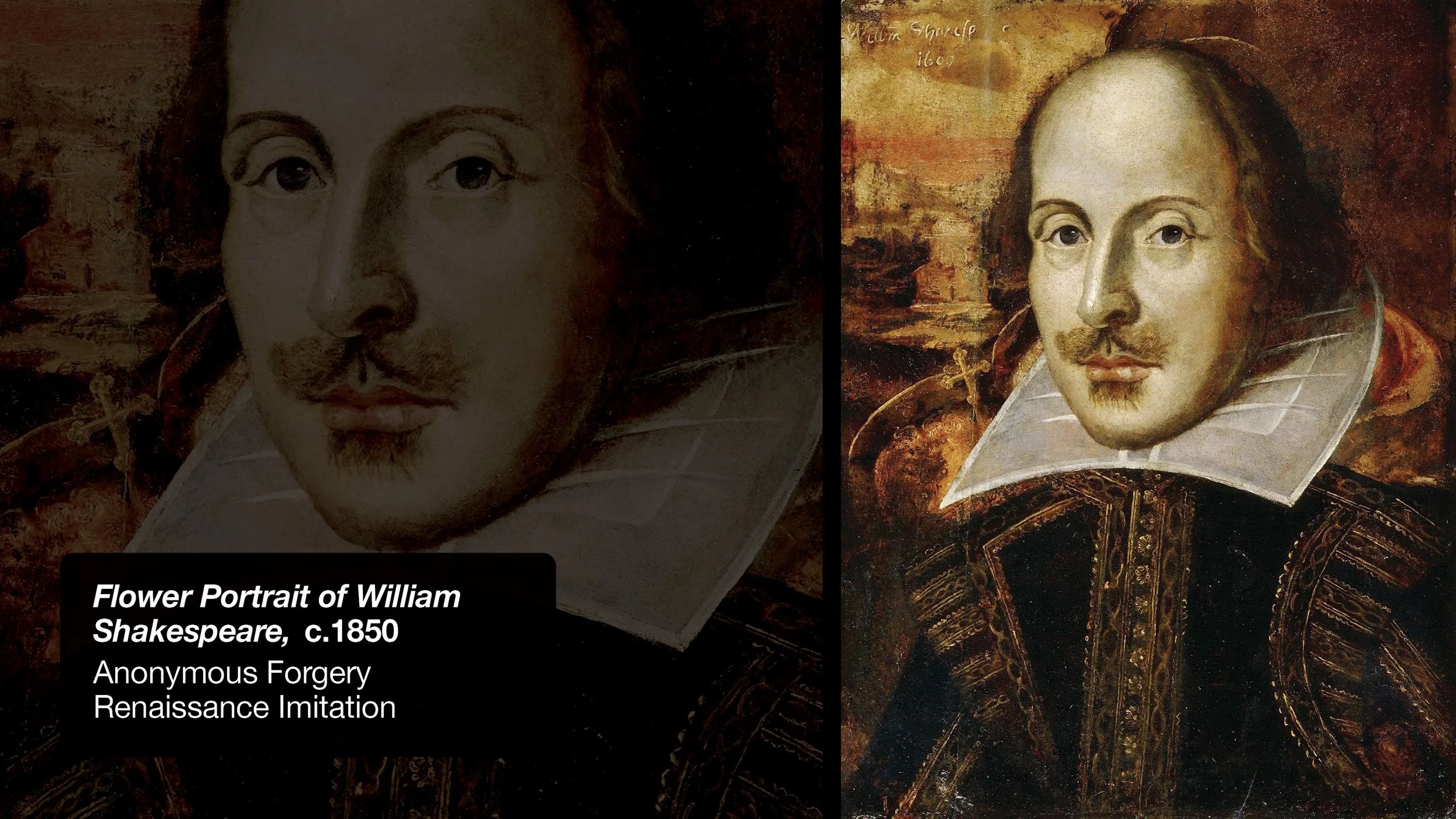
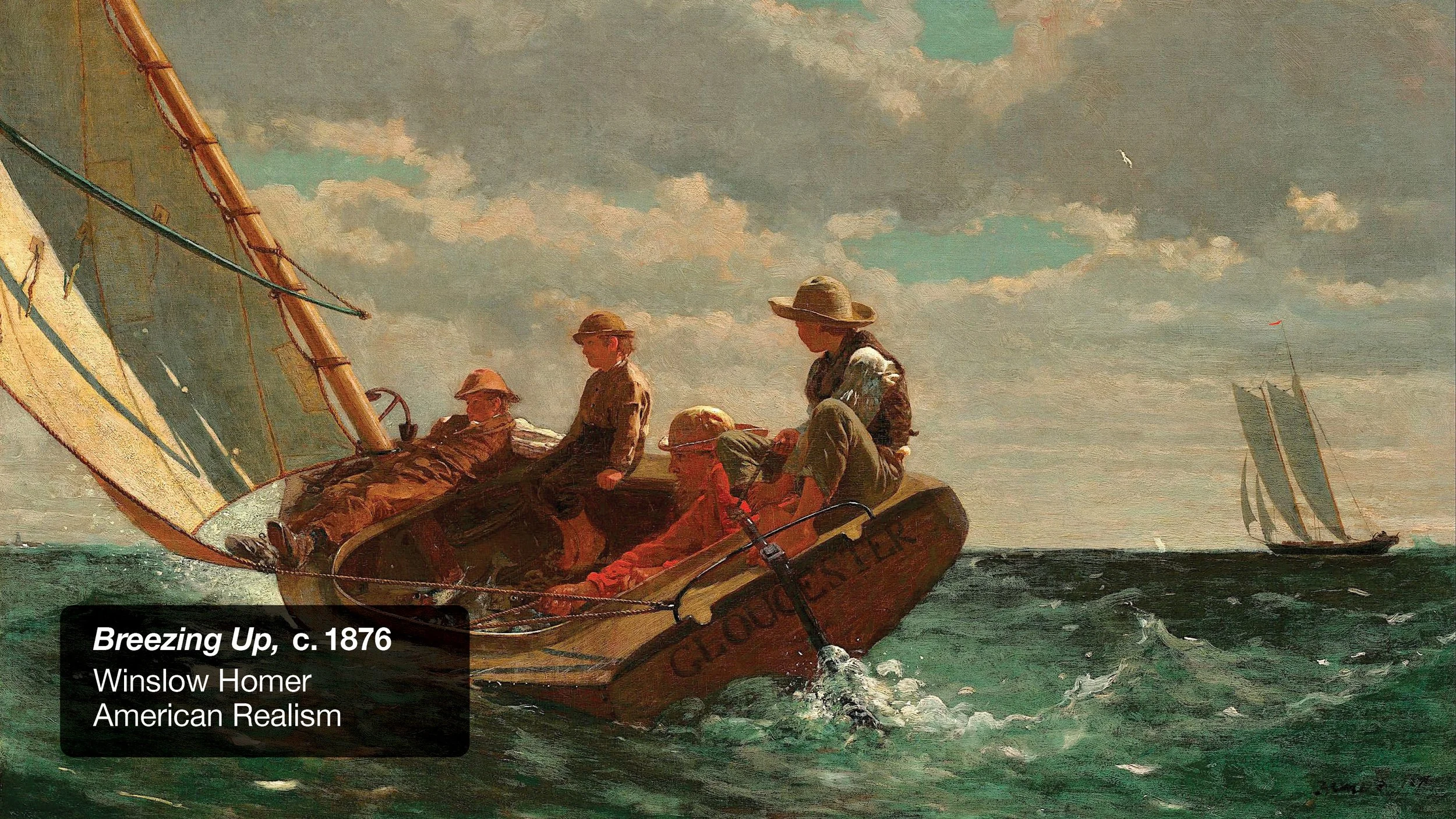
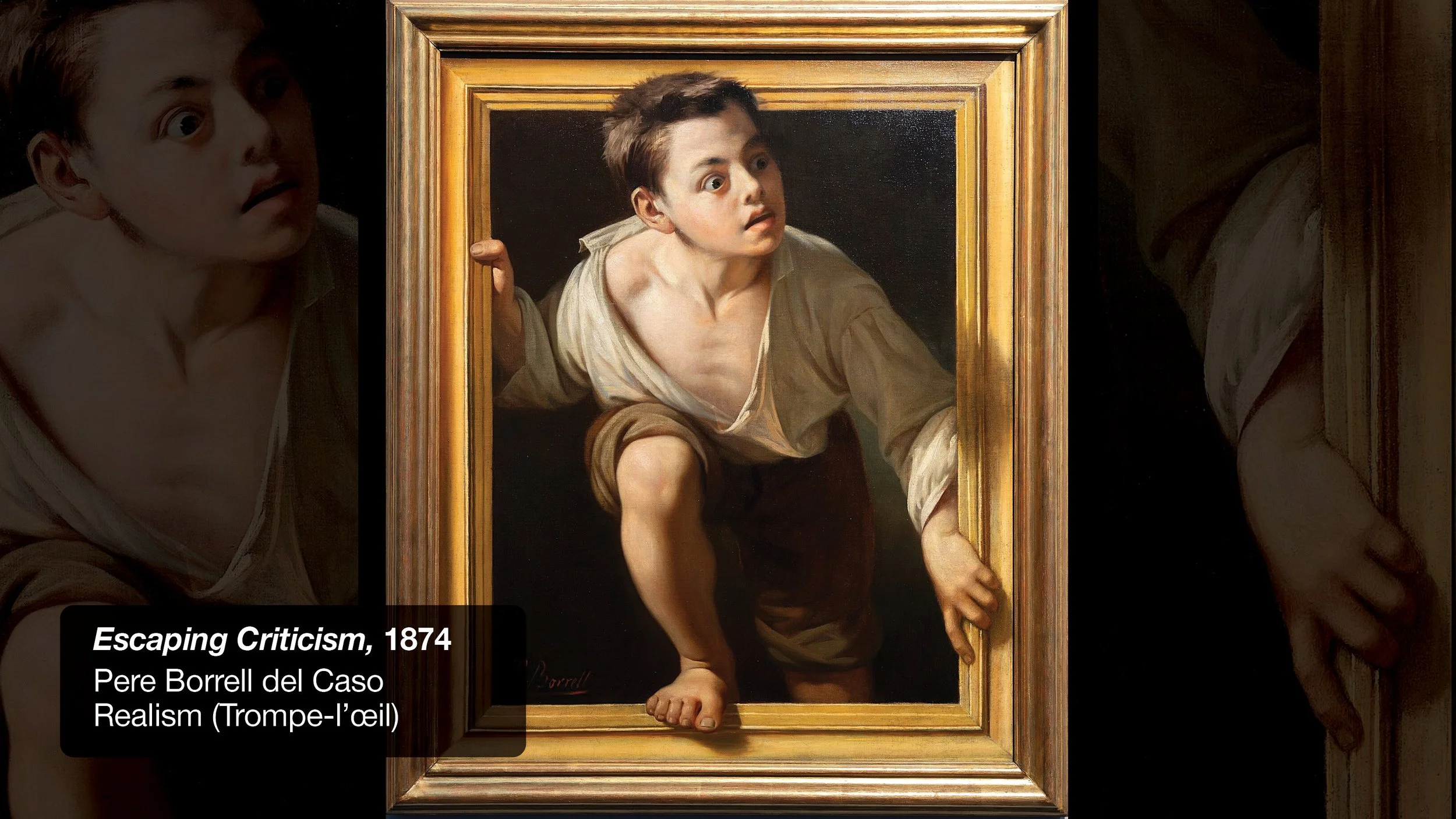
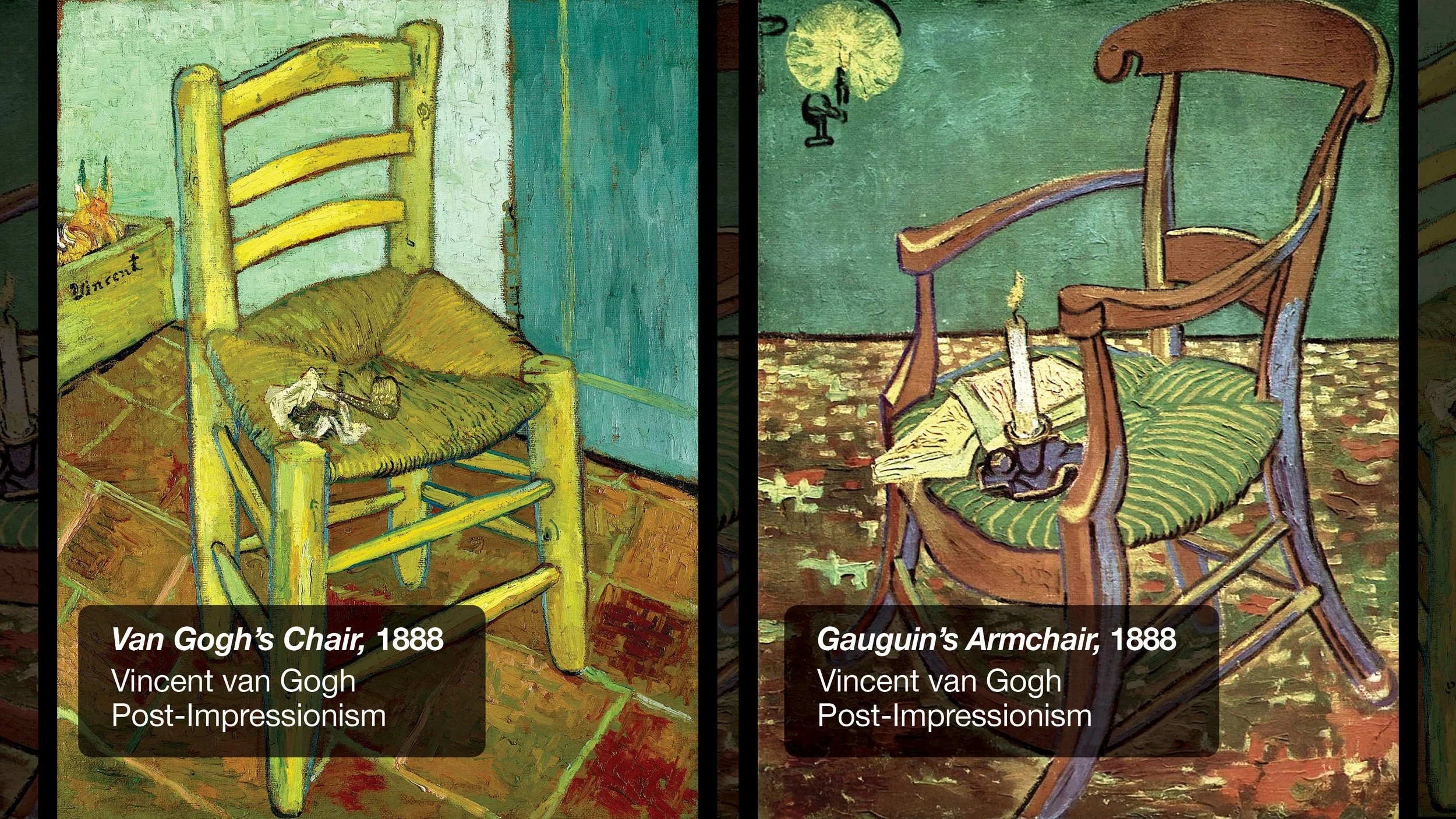
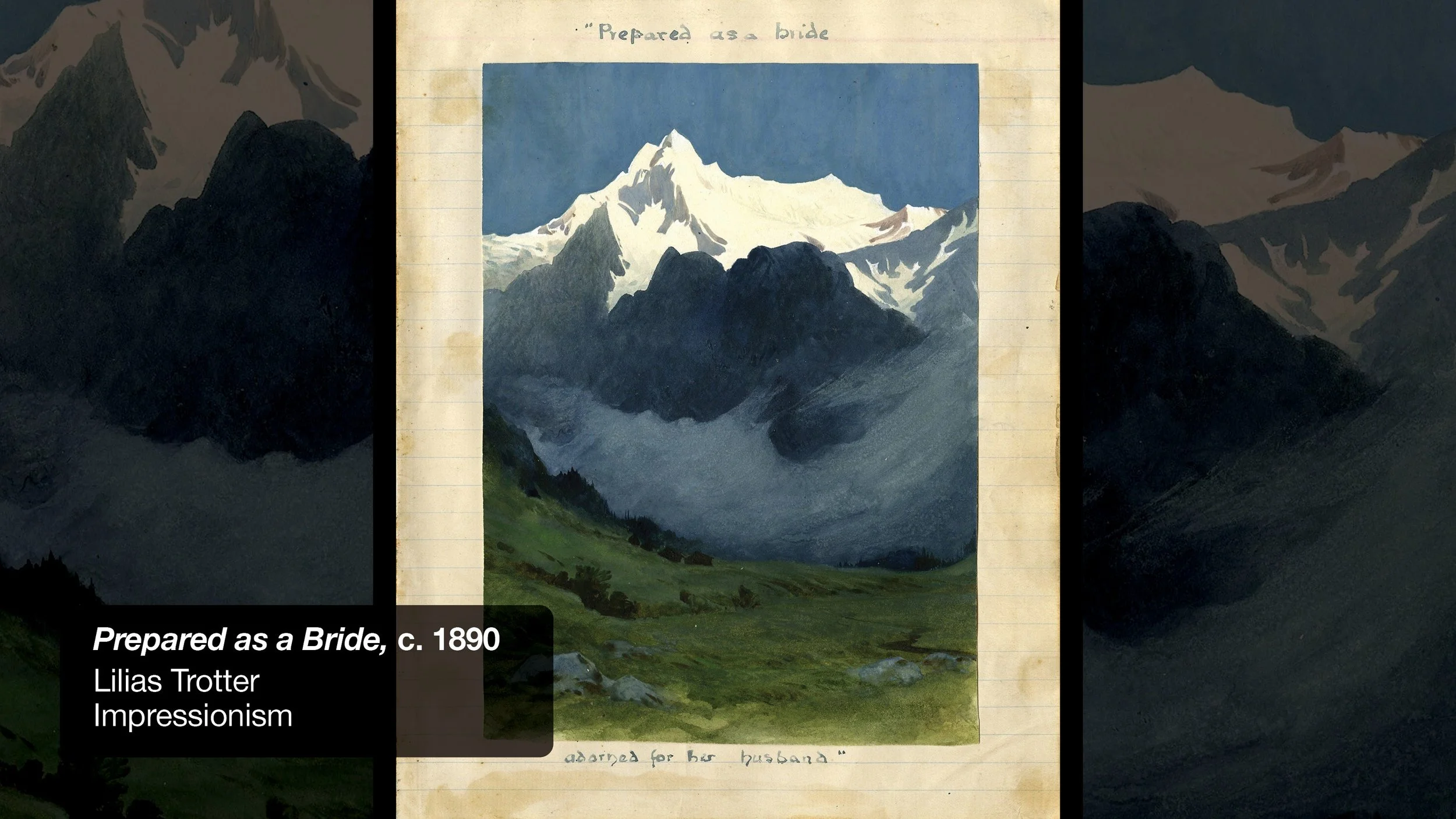
See some of our favorite “Art History Spotlights” that we’ve contemplated so far this year—