The Hudson Valley: Washington’s Key to America
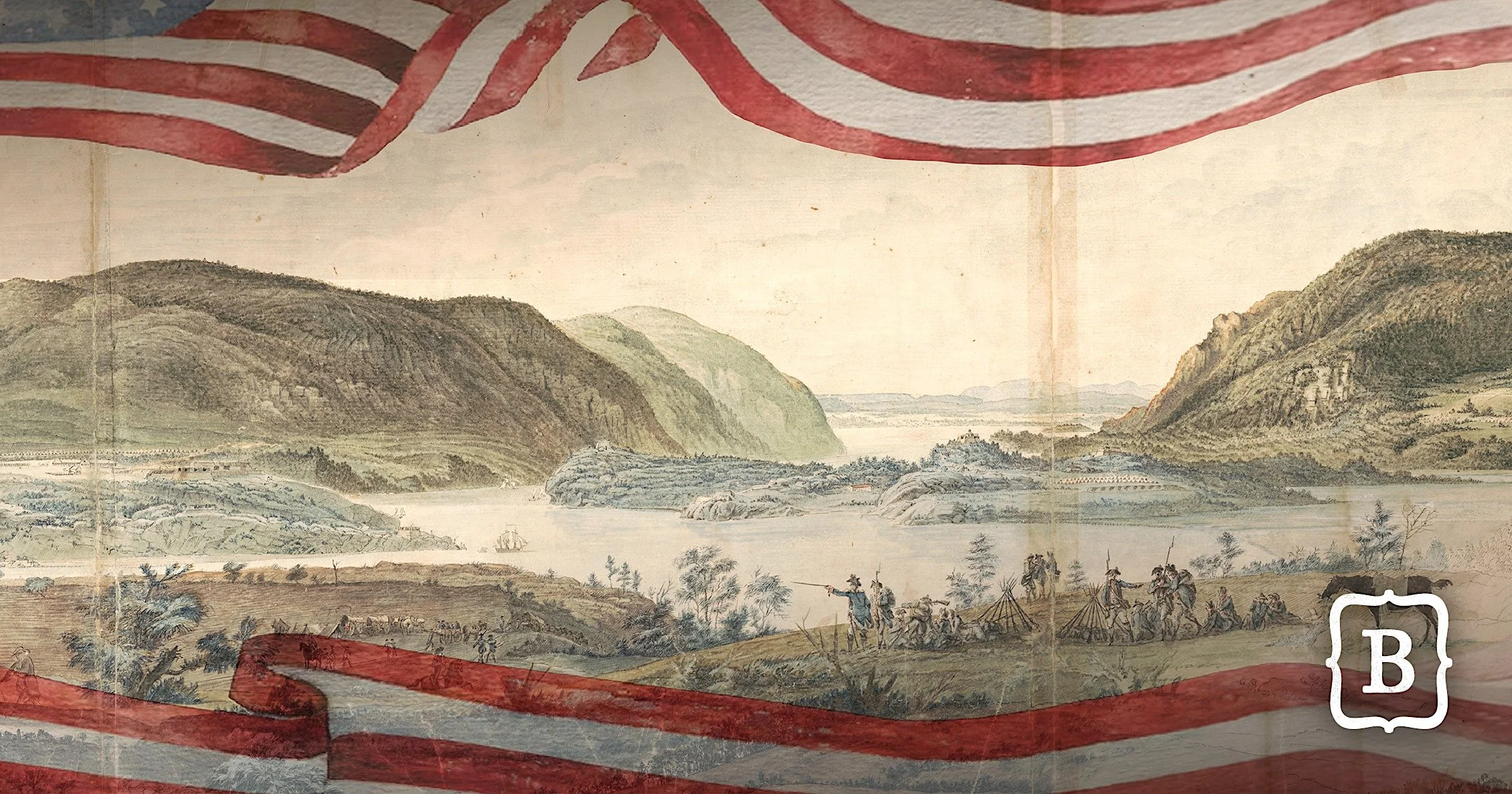
As we prepare to celebrate Washington’s birthday this weekend and our nation’s 250th later this year, it is worth reflecting on his deep connection to our own Hudson Valley. Over half of his wartime birthdays were spent in and around the Hudson Valley, taking advantage of the central location and the natural fortress created by the mountains surrounding it.
250 years ago, Washington spent his birthday managing the final weeks of the Siege of the city of Boston, soon to be permanently evacuated by the British. With the loss of that city, the Royal Navy needed a new port in the colonies to call home; New York City was the obvious choice. Therefore, General Washington shifted his focus toward New York, where it would remain for the rest of the war. Come July, as Congress debated independence in Philadelphia, Washington was in New York preparing for the inevitable British invasion. Just two days before the Declaration of Independence was adopted in Congress, a British fleet over 400 ships strong appeared off Staten Island. The might and professionalism of the British Army in the subsequent battle proved too much for Washington and his inexperienced army, and New York City was lost, not to be regained until the war’s end in 1783.
But the British occupation of New York City seemed to gain them little; in fact, it seemed to be almost inconsequential so long as Hudson’s River remained under American control. Washington would refer to the Hudson as, “The key to America” and he would spend the rest of the war safeguarding that key. Washington’s reliance on the mountains of the Hudson Highlands as a natural defense eventually led to the construction of the fortifications at West Point. West Point was so formidable that the British never even tried to attack it, the Hudson would remain in American control for the rest of the war, and the British would ultimately shift their focus South.
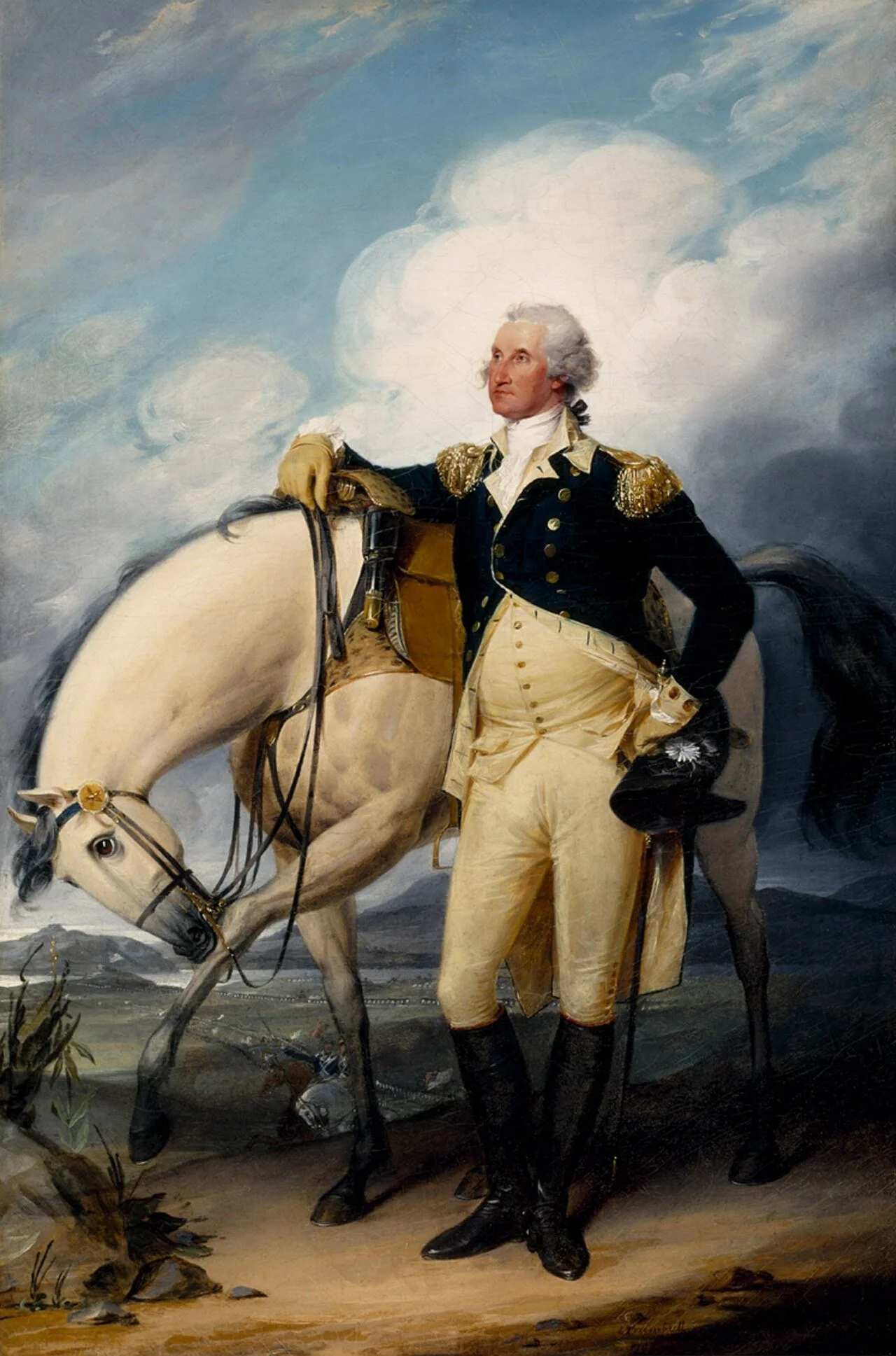
Washington at Verplank's Point, 1782
Though even after Washington’s Southern victory at Yorktown, VA in 1781, the Continental Army quickly returned to the Hudson Valley. In 1782, as the French Army made their return from Virginia to Newport, RI to sail home, they crossed the Hudson River at King’s Ferry in Stoney Point, NY. Washington took the opportunity to parade his, by now quite professional army, in grand style for the French as a show of gratitude for their assistance at the Battle of Yorktown. Verplank’s Point on the East side of the Hudson became an impressive show of military might as the two armies said their goodbyes. But Washington was not ready to dismiss his Continental Army yet.
The British still held NYC, and while peace talks began across the ocean, Washington had to be ready for the possibility of renewed conflict. At Newburgh and New Windsor, Washington won other victories as he prevented his restless army from tearing itself apart. Finally, as peace became increasingly likely, he turned his eye towards disbanding the Continental Army and towards the future of our young republic.
As our school is blessed to be located in the beautiful Hudson Valley, which was so central to General Washington’s victory in the Revolution, Chapel Field is excited to move toward our nation’s 250th with a renewed gratitude for our founding, taking every opportunity to commemorate the little details and often forgotten victories in the Hudson Valley that helped win independence for our nation as a whole.
James Monahan teaches High School and Middle School History at Chapel Field, and leads the school’s official Civil War Club.